Like every other process, the injection molding process has its limits, which makes you wonder, “what can or can’t you injection mold?”
Can you Injection Mold Low Quantities?
Injection molding is typically used for large volumes and mass production, but that hasn’t stopped it from being an excellent low-volume production solution. Rapid injection mold (RIM) tooling is designed to be flexible and to fit your requirements, therefore making it suitable for low quantities.
At X-PRO, quantities for injection molding projects start from as low as 10pcs to over over 100,000 parts.
Can you Injection Mold any Geometry?
Injection molding is a great process for producing very complex-shaped parts using a very highly-skilled tool design and experience but like any other manufacturing process, there are constraints. Therefore, it is not true that all geometries can be molded.
There are often features or designs which would either be incredibly expensive or impossible to produce via injection molding, These types of parts may instead be better produced via another process, such as 3D printing.
Can you Injection Mold Rubber?
What’s great about the process is the massive range of materials available, this includes rubber. At X-PRO, we can injection mold TPU and TPR, which are very similar to rubber and are of industry standard.
Can you Injection Mold Threads?
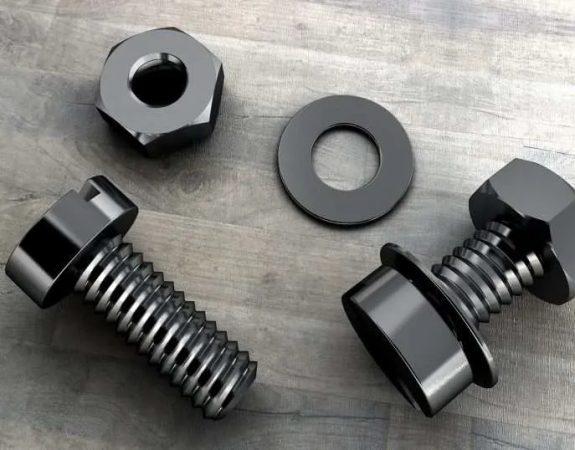
Yes, you can injection mould threads. It is possible to mould parts with threads already in the part, both internal and external threads. However, depending on the geometry of the part, the number of threads and their size and specification, this will not ordinarily be the best method.
You could consider including overmolding inserts into the part instead, tapping threads post-process or heat staking the inserts into the part post-process (all of which we can help you with at X-PRO).
Can you Injection Mold Two Materials?
This process is known as 2-shot or 2k moulding, or overmolding. While there are some slight differences between the two processes, in short, the answer is yes, you can overmold two materials together. Usually, this is done with a plastic subastrate and a rubber or similar overmold for either aesthetic reasons or mechanical properties. It is a two-stage process with one piece being molded first, then the rubber overmold being injected on top.
Can you Injection Mold any Color?
Yes, within reason. All you need is supply a PANTONE or RAL color or similar number.