
When you’re developing a new product – whether it’s a sleek consumer gadget, a rugged medical device, or a protective enclosure for electronics – there’s one crucial question you need to answer early in the design process:
How will the parts actually connect and stay together?
While adhesives and screws have their place, modern product design often demands cleaner, faster, more efficient methods of assembly. Today’s engineers and industrial designers have an entire toolbox of joining techniques that go far beyond the basics – each with unique benefits, limitations, and ideal applications.
Choosing the right method can impact much more than just how your product is put together. It can affect your production costs, the ease of assembly on the manufacturing line, the strength and durability of the final product, and even the way customers interact with it.
Below, we explore the most common mechanical joining methods used for plastic parts in modern product design – along with where they work best, and what to watch out for.
Snap-Fits
Snap-fits are one of the most popular joining methods in plastic product design. They use flexible features, often small protrusions or hooks, that deform slightly as they pass over a ridge or groove on the mating part. Once in place, the material’s elasticity allows it to “snap” back to its original shape, locking the parts together.
You’ve probably encountered snap-fits on battery compartment doors, remote control covers, and reusable containers that “click” shut. They’re fast, tool-free, and cost-effective in high-volume production. However, they require precise control over tolerances and material properties to ensure both a secure fit and ease of assembly without damaging the parts.
Screw Bosses
Screw bosses are cylindrical posts molded directly into the part to receive screws. In plastic assemblies, they’re often paired with self-tapping screws or metal threaded inserts to prevent wear and improve strength.
They’re commonly found in electronics housings, toys, and handheld devices – anywhere a strong, repeatable connection is needed that may need to be taken apart for maintenance or repair. Screw bosses are reliable, but they require careful design to avoid cracking the plastic or stripping threads over time.
Living Hinges
A living hinge is a thin, flexible strip of plastic that connects two rigid sections, allowing them to bend without breaking. Unlike a traditional hinge with separate components, a living hinge is molded as part of a single piece, eliminating the need for additional hardware.
They are widely used in flip-top bottles, plastic storage boxes, and other products that are opened and closed repeatedly. They work best with flexible plastics such as polypropylene, which can withstand thousands of flex cycles without fatigue. Brittle materials, on the other hand, are unsuitable for this approach.
Tabs and Slots
Tabs and slots are a simple, low-cost method for aligning and temporarily securing parts during assembly. A tab on one component slides into a corresponding slot on the other, holding them together by geometry alone.
While not intended for heavy-duty load-bearing applications, this method is ideal for packaging, lightweight consumer products, and assemblies that need quick, tool-free alignment before final fastening or sealing.
Friction fits rely on compression between two parts to hold them together securely. Precision is critical here — the tolerances must be tight enough to create enough friction without making assembly overly difficult.
Twist-Locks and Bayonet Mounts
Twist-locks work by inserting a component into a slot and then rotating it to lock it in place. The design often includes stops or detents that signal the correct locked position.
This method is familiar in camera lens mounts, certain lightbulbs, and water filter cartridges. Twist-locks are intuitive for users and allow for quick access to internal components, but they require rotational clearance and precise alignment features in the product’s design.
Magnetic Latches
Magnets embedded into the plastic parts can provide a sleek, silent, and effortless way to keep parts closed. They’re a popular choice in consumer electronics, luxury packaging, and wearable devices.
The appeal lies in the smooth user experience and the premium feel they provide. However, magnets are not suitable where high structural loads or strong vibrations are expected, as they can be easily overcome by force.
Heat Staking and Ultrasonic Welding
These are permanent joining methods that rely on thermal or vibrational energy to fuse parts together.
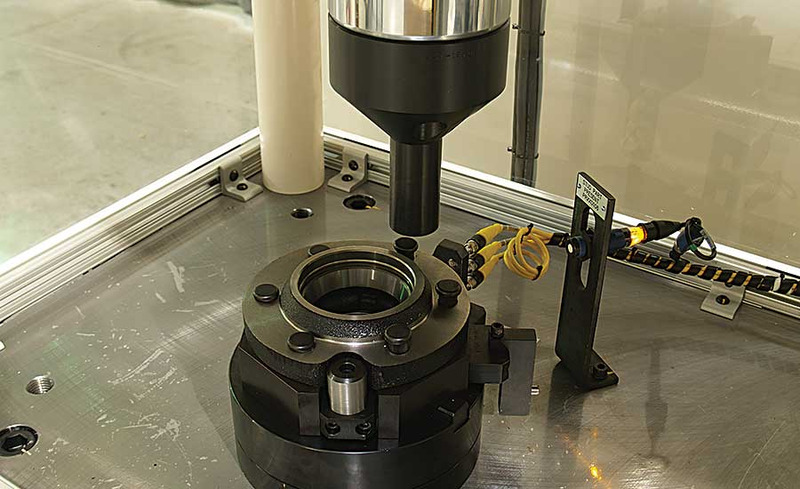
Heat staking melts a small area of plastic, typically a post, so that it deforms and locks into place once cooled. Ultrasonic welding uses high-frequency vibrations to generate heat at the interface of two parts, melting the material and bonding them without adhesives or fasteners.
Both methods are widely used in sealed electronics, automotive components, and medical devices where strength, precision, and tamper resistance are essential. However, these techniques are not reversible and require specialized equipment.
Choosing the Right Method
Selecting the ideal joining method is a balancing act between functionality, cost, aesthetics, and manufacturability. You’ll need to consider:
-
Frequency of Access: Will users need to open the product regularly?
-
Strength Requirements: Will the joint bear heavy loads or resist impact?
-
Material Properties: Is your plastic flexible, brittle, or heat-sensitive?
-
Production Volume: Is speed more important than flexibility in assembly?
-
User Experience: Should the closure feel premium, rugged, or effortless?
In practice, many products use a combination of these methods — for example, snap-fits for quick assembly, paired with a screw boss for added security in critical areas.
At X-PRO CAD, we work with clients across industries to choose, design, and refine the right joining mechanisms for their products. From early prototypes to mass production, our goal is to create assemblies that are functional, efficient, and perfectly aligned with both manufacturing needs and user expectations.


Скорашњи коментари