
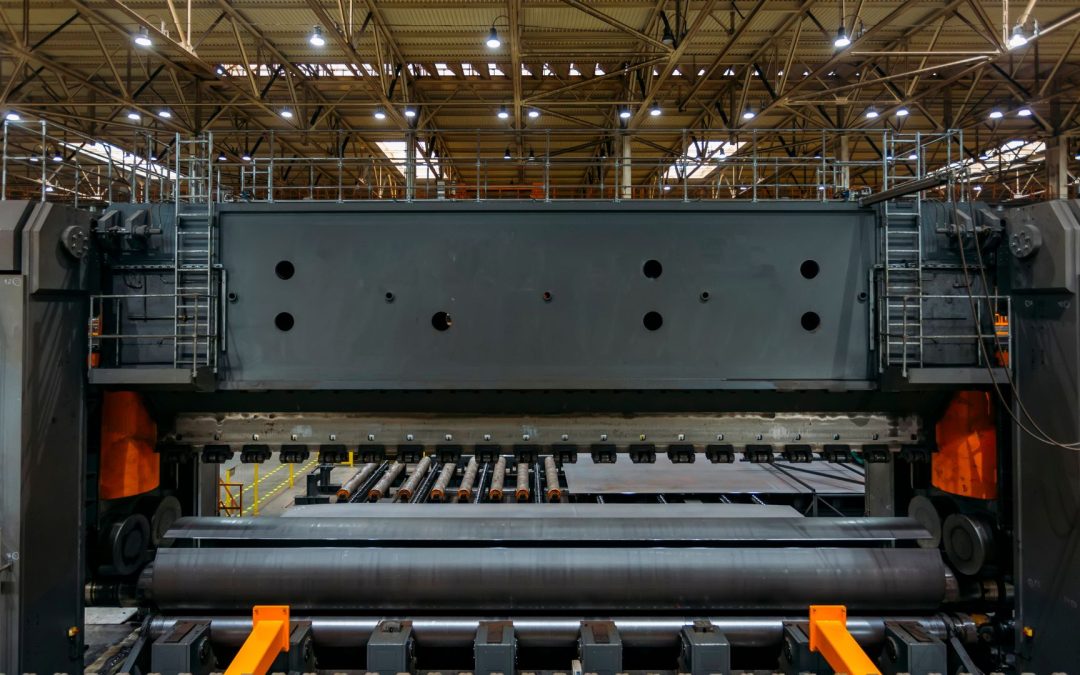
In metal fabrication shops, many manufacturers struggle with precision and consistency, especially when using older machines or relying on a few highly skilled operators. An older plate rolling machine may work, but worn parts or inefficient hydraulics can make it hard to keep results consistent. If a lead fabricator leaves, finding someone with the right experience can take months, leaving production vulnerable.
This is where modern technology comes in. CNC roll bending brings automation and reliability to metal bending without needing years of specialized experience. Even with complex shapes or tough metal thicknesses, CNC machines can maintain quality and speed, reducing errors and making the process less dependent on a single skilled worker.
In this blog, you will get to learn what roll bending is, understand CNC’s role in roll bending, the real benefits of using CNC, and how it makes metal bending faster, safer, and more precise. We will also cover real-world applications, key factors to consider, and clear up common misconceptions about CNC roll bending, explaining what CNC roll bending is, giving you a clear picture of why this modern approach matters in today’s metal fabrication.
What Is Roll Bending?
Roll bending, also called plate rolling or angle bending, is a metal-forming method that gradually curves sheets, plates, bars, or tubes using rollers. This roll bending definition shows how the process creates smooth curves instead of sharp angles. The metal passes through the rollers multiple times until the desired shape is achieved. It is ideal for pipes, beams, and other curved components.
There are different types of machines for this process. Three-roll (pyramid) machines work well for cylinders and cones, while four-roll machines give extra control and can pre-bend edges in a single pass. Vertical roll machines handle thicker metal for heavy construction projects. The roll bending process metal forming is commonly used in energy, aerospace, automotive, and construction industries.
Understanding CNC Role In Roll Bending
CNC, or Computer Numerical Control, brings automation and accuracy to roll bending. A CNC roll bending machine follows a set program instead of relying on manual adjustments. This allows operators to shape metal consistently and create curves that are difficult with old methods. It reduces mistakes and makes the process more predictable for any project.
With CNC metal forming technology, parts can be repeated exactly using saved programs. CNC Obrada handles complex bends and multiple curves in a single run. Automated loading and safety features also make the process easier and safer. Overall, CNC turns roll bending into a reliable, faster, and repeatable process.
Benefits Of Using CNC In Roll Bending
Using CNC in roll bending offers many advantages that make metal shaping easier, faster, and more precise. By reading below, you will discover the key benefits of this modern approach.
1. Precision And Consistency
With precision CNC bending, every part is shaped exactly as programmed, keeping tolerances tight across large production runs. By removing reliance on an operator’s skill or judgment, machines deliver consistent CNC roll-bending results even for complex curves or multi-radius shapes. This makes CNC ideal for projects where repeatable, reliable results matter. Advanced sensors and digital controls adjust for material differences, so every piece comes out uniform and ready for use.
2. Faster Production
One of the biggest advantages of CNC roll bending is the CNC roll bending speed, which lets machines complete multiple bends much faster than manual methods. Pre-programmed sequences reduce setup and changeover time, while automated handling and high-speed drives keep production flowing smoothly. Large batches can be processed consistently without slowing down, minimizing downtime and delays. This automated roll-bending efficiency makes CNC ideal for high-volume projects and predictable timelines.
3. Complex Shapes Made Simple
CNC technology makes it much easier to create intricate and custom metal shapes that are difficult to form by hand. With complex CNC metal bending and CNC curved metal bending, manufacturers can produce multi-radius curves, spirals, and tapered cones in a single pass. The system handles different material types and thicknesses while reducing trial and error. Modern CNC machining trends let shops bring creative, precise, and consistent designs to life every time.
4. Reduced Material Waste
CNC roll bending helps manufacturers use metal more efficiently, reducing mistakes that lead to wasted material. With lower scrap CNC bending, parts are produced the first time accurately, minimizing trial-and-error adjustments. Advanced software and sensors plan cuts and control roll pressure, while material-saving roll-bending techniques maximize sheet usage. This not only lowers costs but also supports more sustainable production, helping projects stay on budget without compromising the quality of the finished pieces.
5. Safer Operations
By taking over the heavy lifting and high-pressure bending tasks, CNC roll bending keeps operators out of harm’s way. CNC bending safety features like sensors, emergency stops, and automated controls prevent accidents and reduce human error. With automated roll bending safety, workers can monitor the process from a safe distance while the machine handles the metal. This approach makes production safer, less physically demanding, and highly reliable.
Real-World Applications Of CNC Roll Bending
CNC roll bending plays a key role in projects where smooth, precise curves are essential. In construction, it helps shape beams, bridges, and pipelines with consistent accuracy. Automotive manufacturers use it to form chassis frames, exhaust systems, and body panels, while appliance makers rely on it for washing machine drums, refrigerator liners, and metal furniture. These CNC roll bending uses make production faster, safer, and more reliable across many industries.
Other roll bending applications include aerospace, renewable energy, and industrial tanks. Wind turbine towers, rocket body sections, and large storage vessels benefit from precise multi-pass bending. Even architectural facades and structural arches in modern buildings are easier to produce with CNC, giving designers the freedom to create complex, high-quality curves that meet both aesthetic and functional requirements.
Factors To Consider When Using CNC For Roll Bending
If you are thinking about using CNC for roll bending, it is important to keep a few key factors in mind. These CNC roll bending considerations will help you get consistent results and avoid common problems. Keep reading to learn what to look for when planning your setup and selecting the right machine for your projects.
- Material Type: Different metals bend differently. Consider thickness, hardness, and ductility, as these affect the pressure and number of passes the machine will need.
- Bending Radius: Know the minimum and maximum radii required for your parts. CNC machines can handle tight curves, but very small radii may need specialized rolls.
- Machine Size: The dimensions of the roll bending machine selection must match the width and thickness of your materials. Oversized sheets may not fit smaller machines.
- Tolerance Requirements: Determine how precise your bends need to be. High-tolerance parts require accurate calibration and careful programming of the CNC system.
- Software Integration: Check if the machine’s control software works with your CAD/CAM files. Seamless digital import saves time and reduces errors during production.
- Maintenance Needs: Regular calibration and roll inspection prevent inconsistencies. Machines with automated monitoring or predictive alerts make upkeep easier and reduce downtime.
- Production Volume: Understand your expected batch size. High-volume projects may benefit from automated feeders, while smaller runs can use standard setups without overcomplicating the workflow.
Common Misconceptions About CNC Roll Bending
There are a lot of rumors about CNC roll bending, and it is important to separate fact from fiction. These CNC roll bending myths can confuse decision-makers. Below is a clear table that compares common misconceptions with reality, helping you understand the real benefits of CNC.
| Misconceptions / Myths | Facts |
|---|---|
| Manual bending is always cheaper | For complex shapes or multi-radius bends, CNC bending saves time, reduces errors, and often lowers overall costs. |
| CNC is only for large factories | Small shops and custom fabrication businesses can also benefit from CNC efficiency and accuracy. |
| CNC removes the need for skilled operators | Skilled technicians are still needed to program, calibrate, and monitor the process. |
| CNC is too slow for small batches | Modern CNC can handle prototypes and one-off parts efficiently, with minimal material waste. |
| Any machine can be retrofitted with CNC | Only machines with precise hydraulics, strong frames, and multi-axis controls can achieve true CNC performance. |
| CNC automatically fixes material variability | Machines need calibration and sometimes adaptive control to handle differences in thickness or alloy. |
| CNC bending is too expensive | While initial costs may be higher, CNC reduces scrap, rework, and labor, making it cost-effective over time. |
Wrapping Up: Why CNC Makes Roll Bending Smarter
CNC has transformed the way metal bending is done, making it faster, more precise, and far more versatile than traditional manual methods. Here you have learned about what roll bending was, how CNC played a role in roll bending, the real benefits of using CNC, and how it made metal bending faster, safer, and more precise. You also saw real-world applications, important factors to consider, and common misconceptions about CNC roll bending. By automating complex shapes, reducing material waste, and improving safety, CNC allows fabricators to deliver consistent, high-quality results. If you work in metal fabrication, exploring CNC roll-bending solutions can help you tackle bigger projects, meet tight tolerances, and bring more creative designs to life.
We at X-PRO CAD help businesses across the US bring their metal fabrication ideas to life, including projects involving CNC roll bending. With our experienced team and hands-on approach, we provide support from design to manufacturing, making sure your parts are accurate and high-quality. If you have a project in mind or need guidance, we would love to hear from you. You can reach us by calling us at (571) 583-3710 or by sending us an email at project.inquiries@x-professionals.comto discuss your next project.


 SR
SR  EN
EN
Скорашњи коментари