
Successfully bringing a product to market requires careful planning, precise execution, and a clear understanding of each development stage. Whether it’s a simple mechanical component or a complex device with electrical elements, following a structured process ensures your product not only looks good but also functions perfectly and can be manufactured efficiently.
Phase 1: Industrial Design & Concept
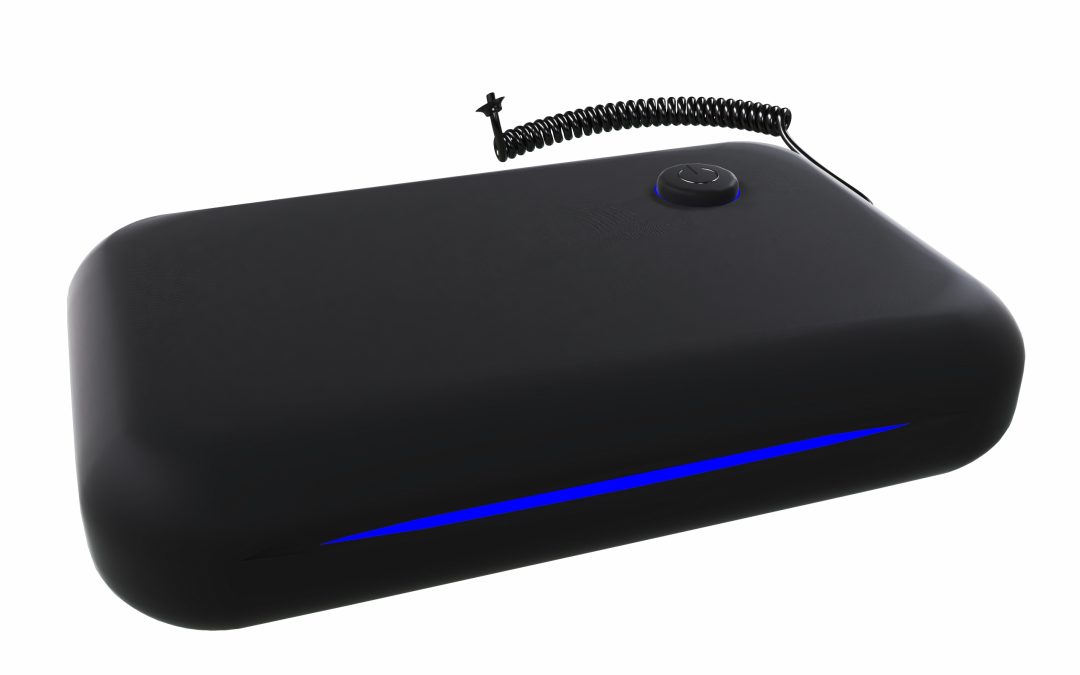
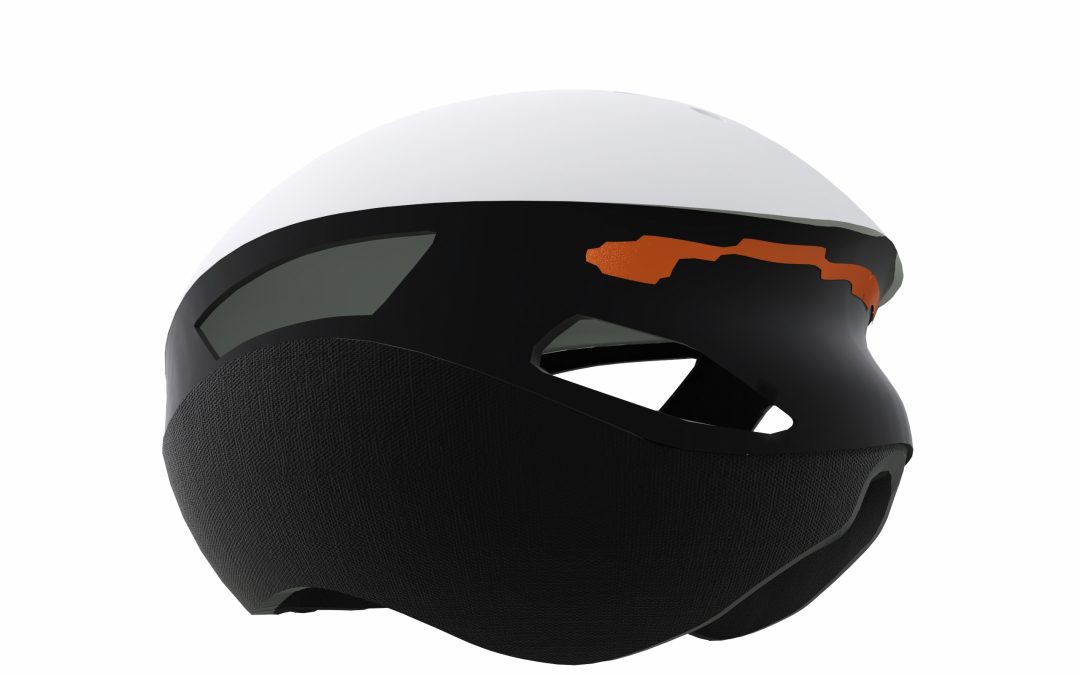
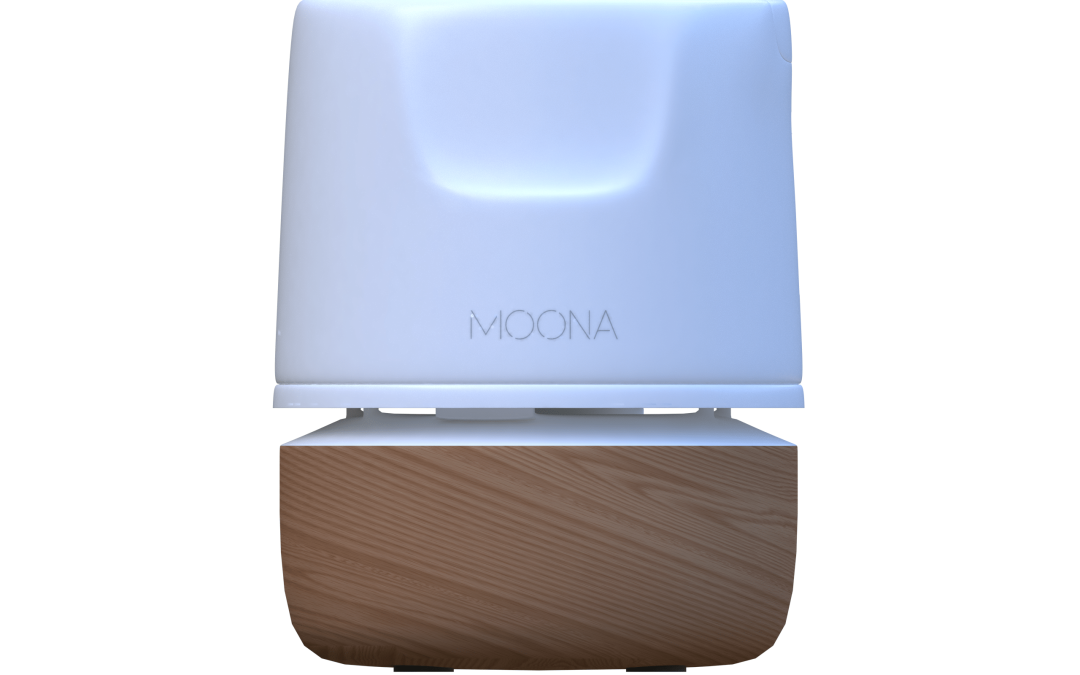
Every product starts with an idea. At this stage, whether your concept exists as a sketch, written description, or rough drawing, it needs to be developed into a clear, detailed concept. This industrial design phase provides the foundation for the next steps in development, including prototyping and manufacturing.
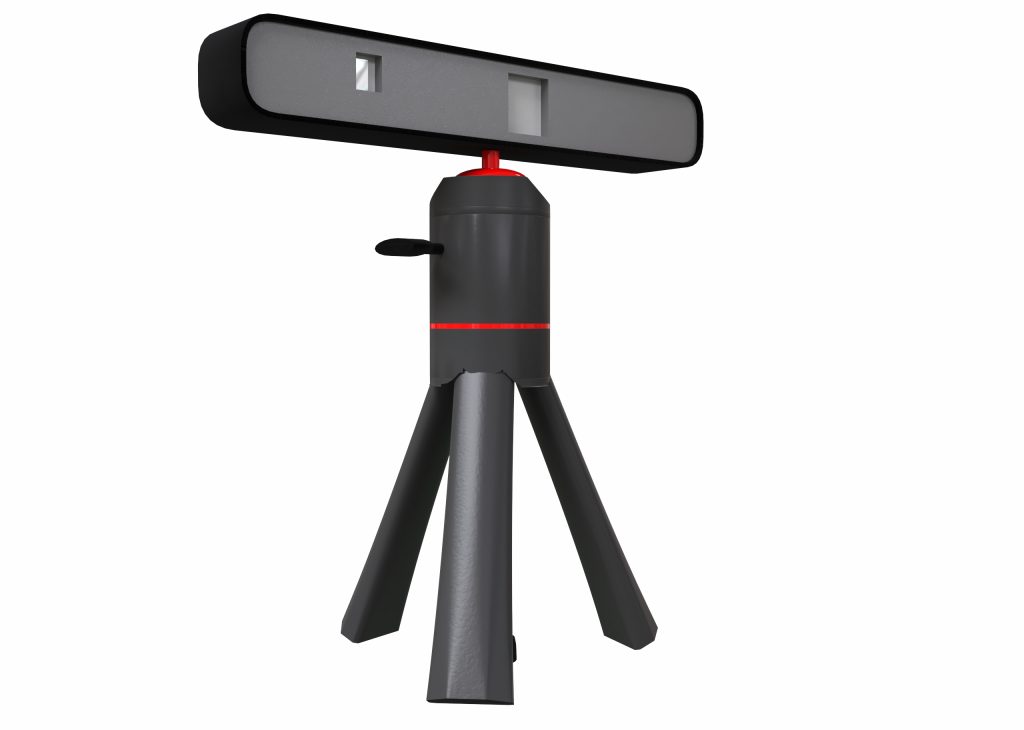
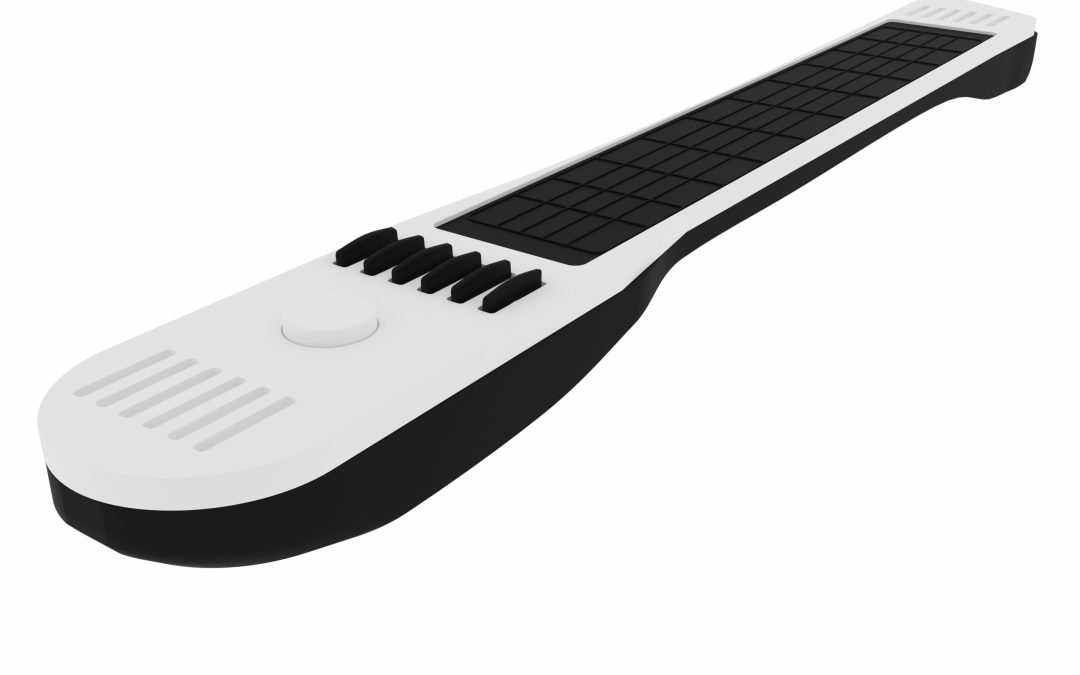
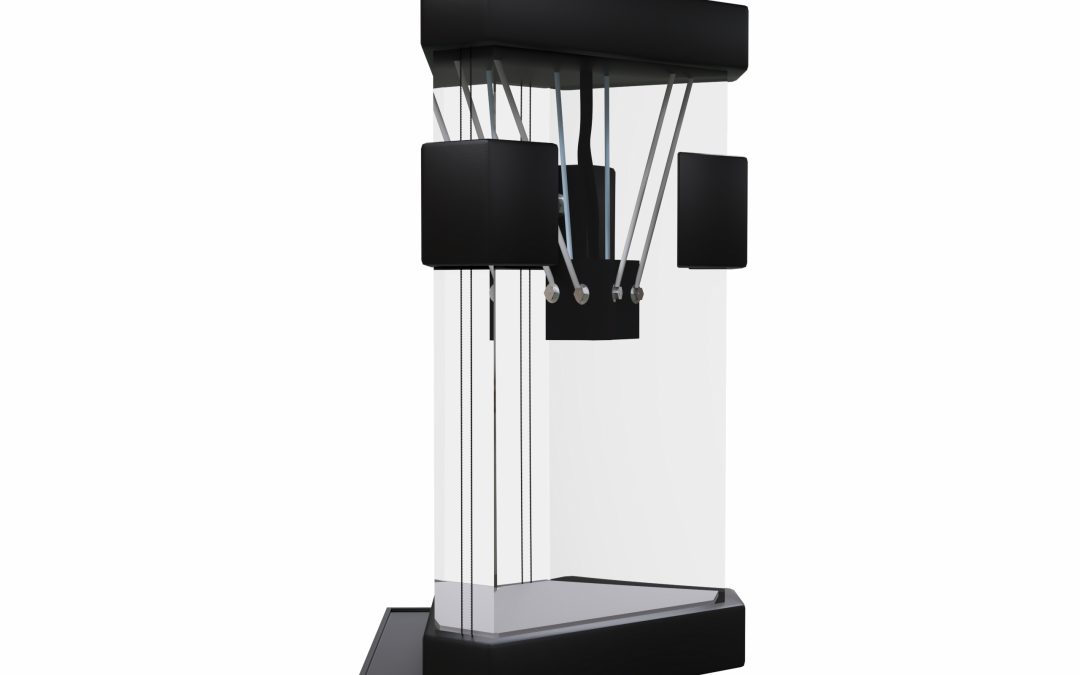
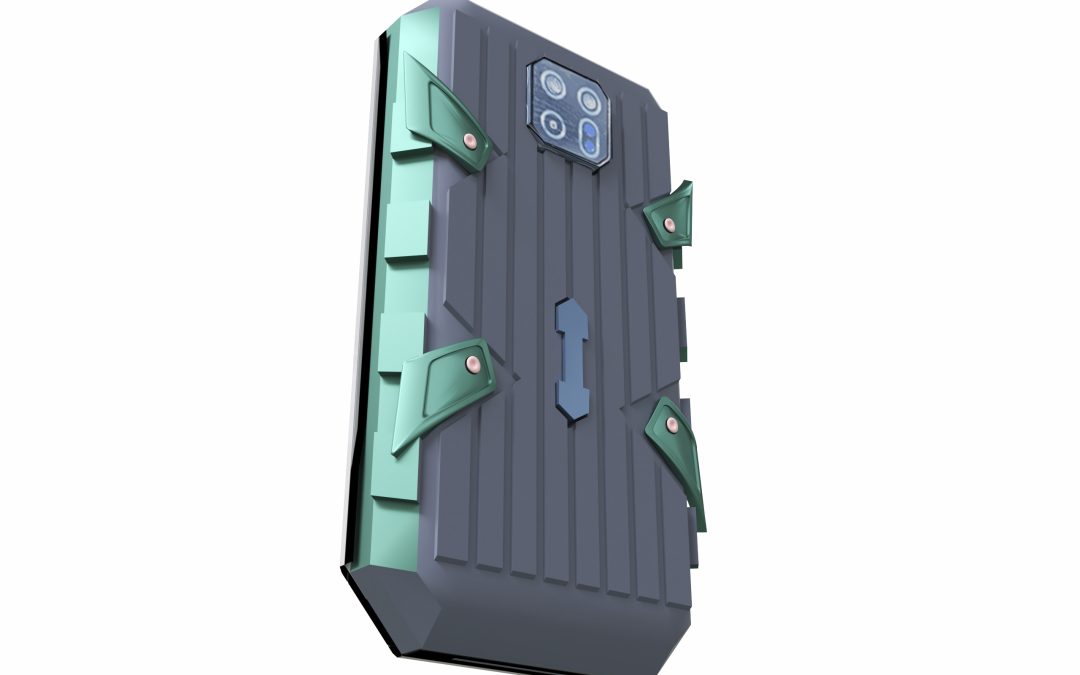
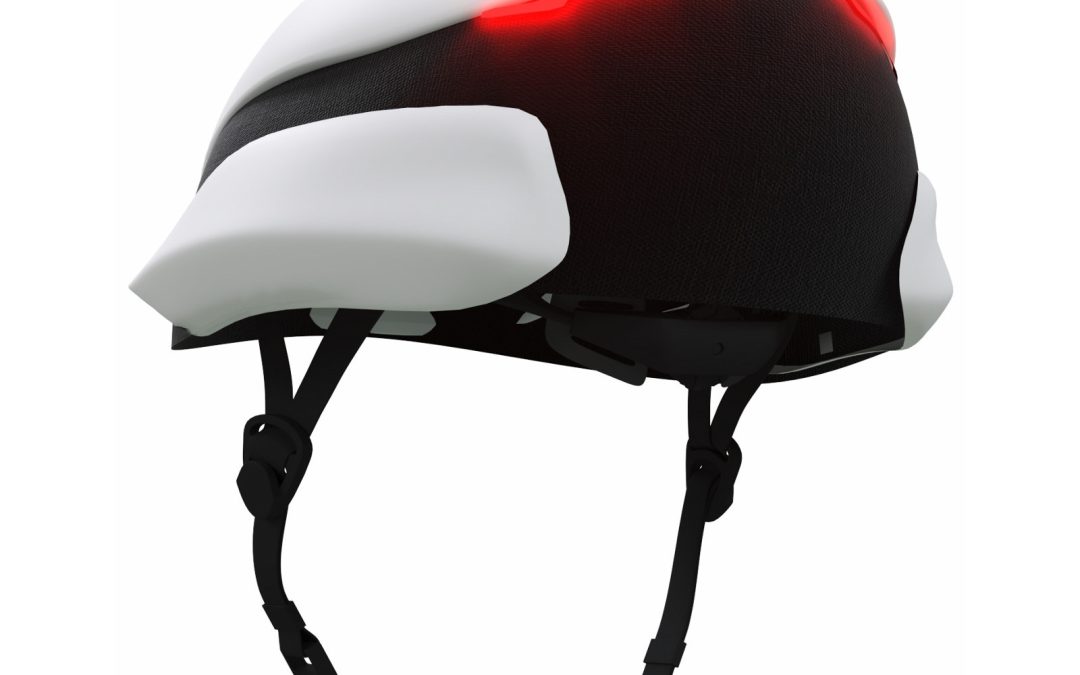
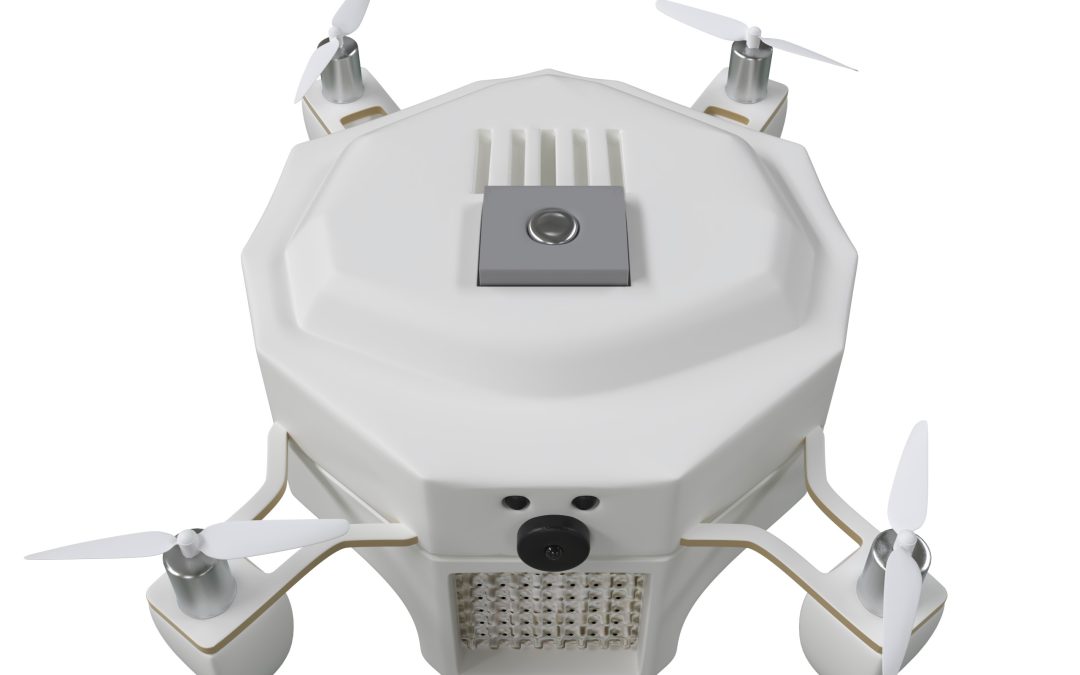
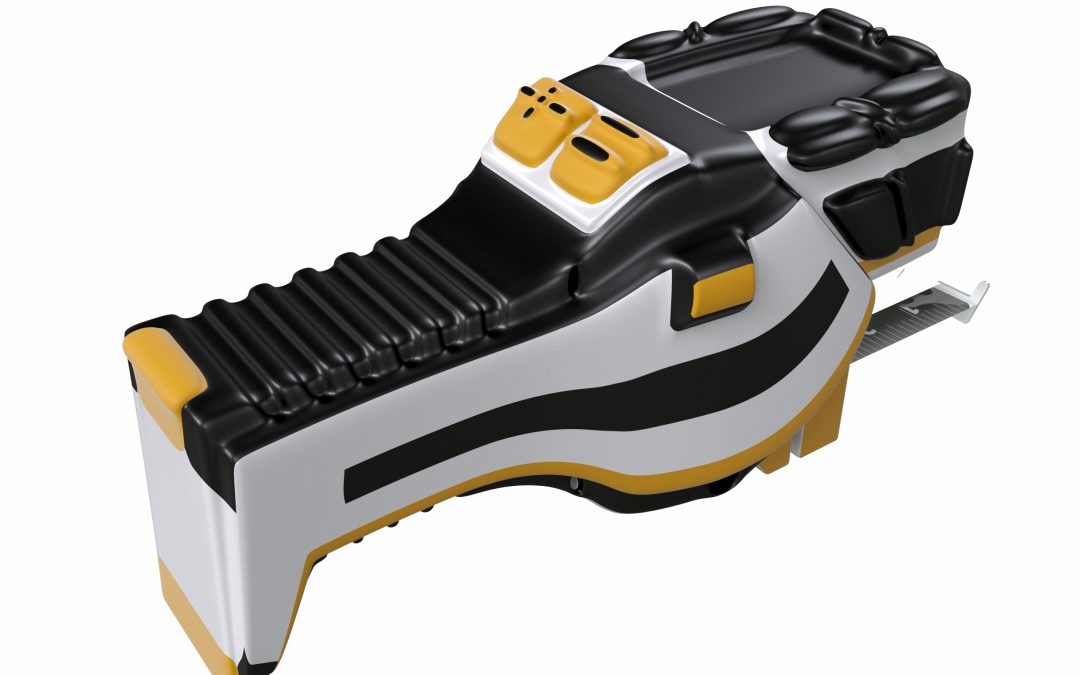
Typically, this phase takes 7 to 10 business days, depending on the complexity of the product. During this period, designers create detailed renderings and models, which are refined through client feedback. A well-executed concept phase ensures that the final product reflects around 80% of the initial design, while also being designed with manufacturability in mind.
Skipping or rushing this phase can lead to misunderstandings, costly redesigns, and longer timelines. For clients who already have a developed prototype, this stage can sometimes be bypassed, but most ideas require careful conceptualization from the ground up.
Phase 2: Mechanical & Electrical Design
Once the concept is finalized, the next step involves developing the mechanical and electrical components of the product. These phases often run in parallel:
- Mechanical Design: Enclosures, moving parts, and other physical components are designed to fit the intended functionality.
- Electrical Design: PCB layouts, batteries, cameras, or sensors are integrated into the design.
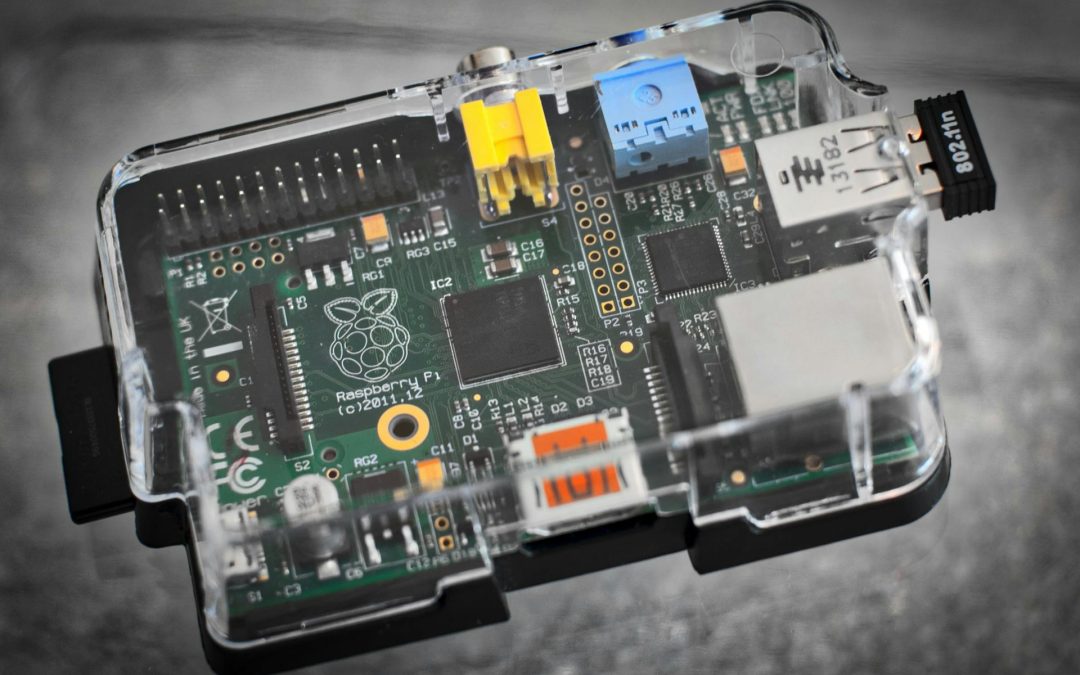
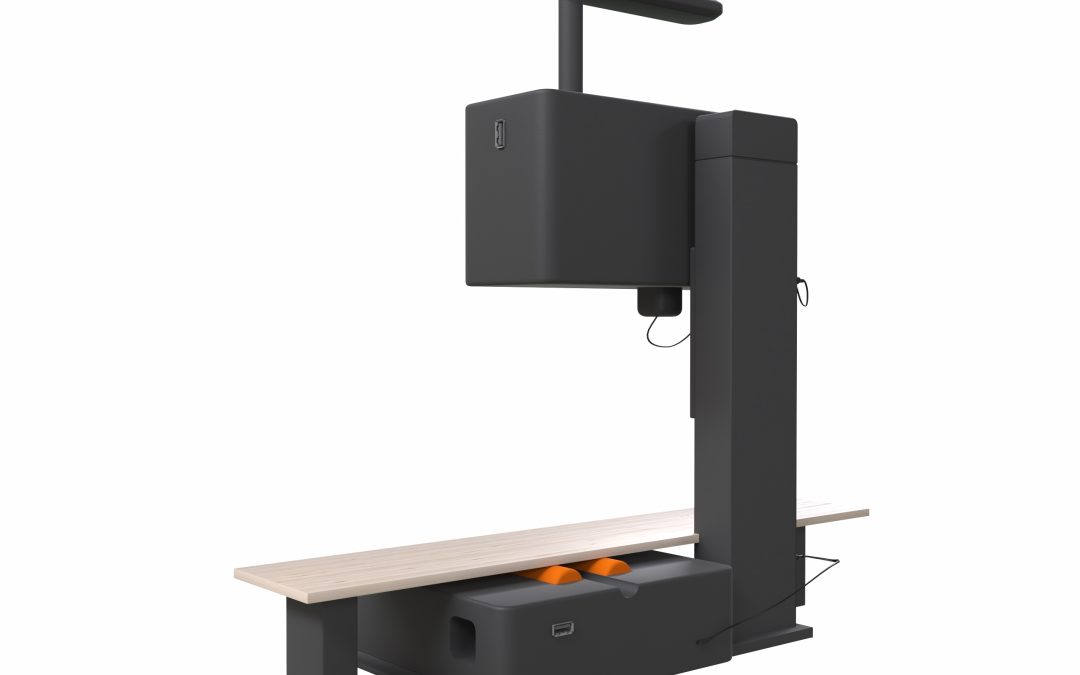
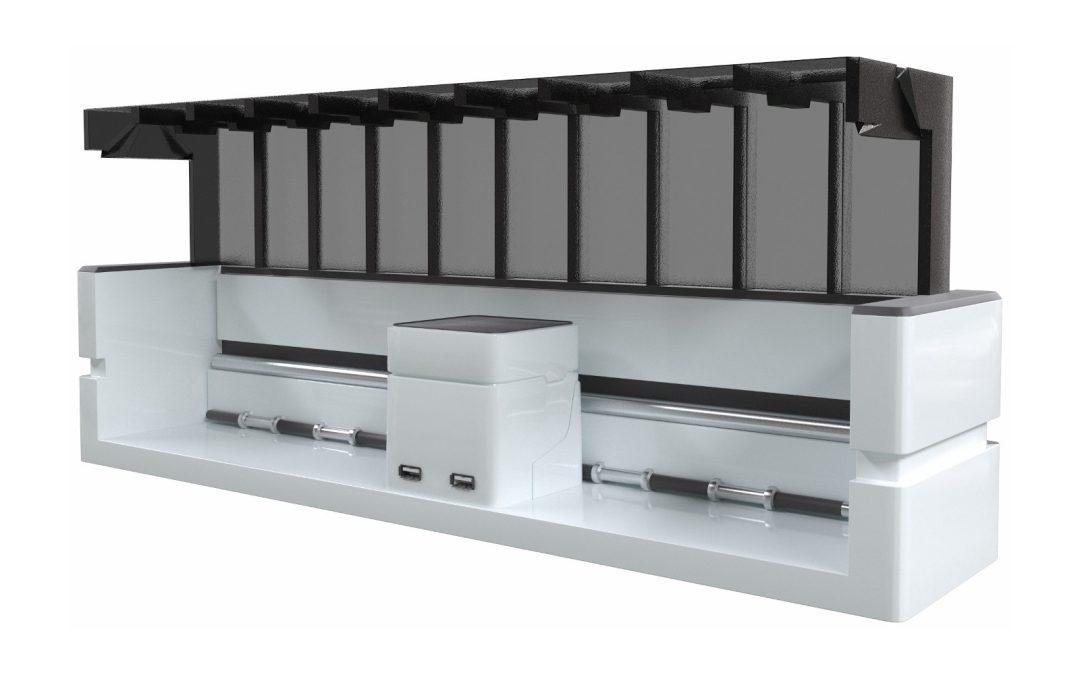
Collaboration between these two areas is critical. Mechanical components must accommodate the electrical hardware, and vice versa. During this stage, 3D modeling allows for virtual testing, and prototypes may be 3D printed to assess size, feel, and fit. This ensures both mechanical and electrical elements work seamlessly together before moving to full prototyping.
Phase 3: Prototyping
Prototyping transforms digital designs into physical products. This stage tests functionality, usability, and durability. For products with electrical components, the hardware is tested first to ensure power, connectivity, and functionality. Mechanical parts, often 3D printed, are evaluated for fit and ergonomics.
It’s common for the first prototype to require minor adjustments. This iterative process helps identify and correct potential issues before committing to large-scale manufacturing. By prototyping efficiently, developers can reduce risks and save costs in the long run.
Phase 4: Manufacturing
After prototyping, the product moves to manufacturing. For plastic parts, this often involves injection molding, which requires the creation of a mold. Molds are a significant investment, sometimes costing several thousand dollars, but they allow for consistent production of high-quality components.
During the initial manufacturing trials, minor tweaks can be made to perfect the design. Once the mold is finalized, mass production begins, with timelines depending on mold complexity and the number of cavities. Proper setup ensures efficient production, while careful quality control guarantees the final product meets specifications.
Phase 5: Fulfillment & Distribution
The final stage of product development is fulfillment. Timely and accurate delivery to customers is crucial for success. Beyond production, this stage may involve:
- Warehousing and inventory management
- Order fulfillment and shipping
- Integration with e-commerce platforms like Shopify or Amazon
Offering all services under one roof—from concept to fulfillment—streamlines the process, reduces risks, and ensures consistency in quality and delivery.
Why Professional Support Matters
Product development is complex, requiring expertise across industrial design, mechanical and electrical engineering, prototyping, manufacturing, and logistics. Partnering with experienced professionals not only accelerates developmentbut also ensures higher quality, fewer errors, and smoother execution at every stage.
Whether you’re refining a prototype or building a product from scratch, working with a trusted development partner allows you to focus on innovation while experts handle the technical execution. Companies like X-PRO CAD provide end-to-end support, helping bring ideas to life with precision, efficiency, and care.










Скорашњи коментари