
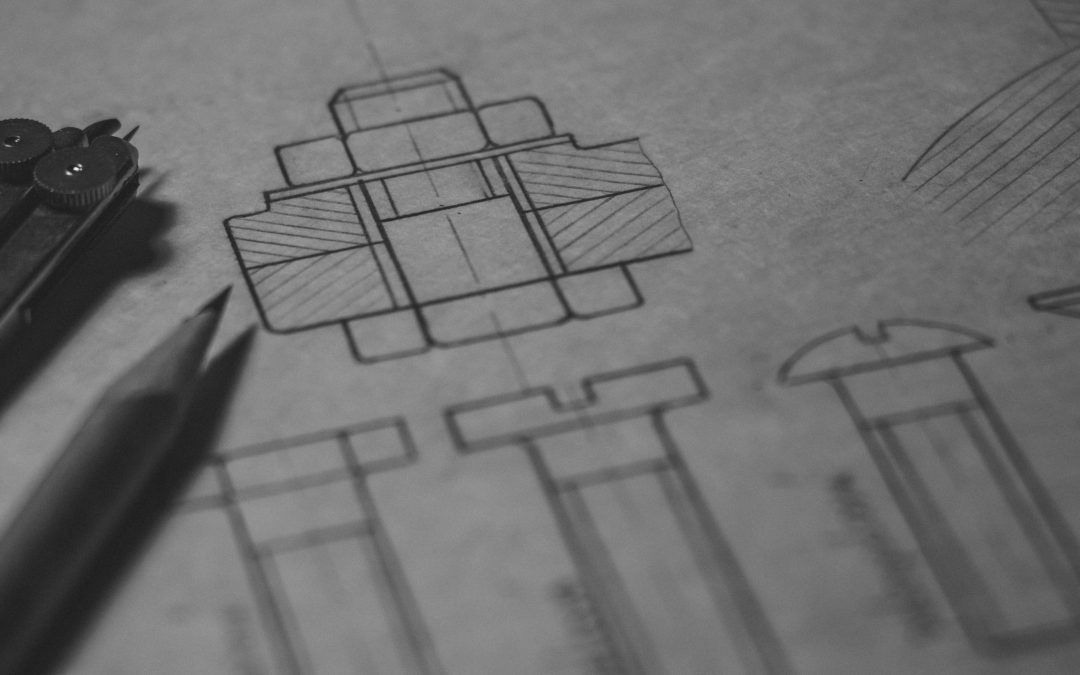
A technical data package, or TDP, is the controlled set of files needed to manufacture, inspect, procure, and maintain a part or assembly. A useful TDP may include 3D CAD, 2D drawings, GD&T, bill of materials, material specifications, finish requirements, inspection criteria, revision history, and supplier notes. The purpose is simple: remove ambiguity so a qualified manufacturer can produce the same result repeatedly.
This post covers the practical checks, documentation decisions, and engineering tradeoffs behind technical data package. If you are preparing a quote request, production release, or supplier package, the details below help reduce rework before the project reaches the shop floor.
Why a TDP is more than a CAD file
A CAD model defines shape, but it does not always define acceptance criteria. Without drawings, tolerances, material notes, and inspection requirements, suppliers fill in the blanks. That is where cost, quality, and schedule problems begin.
A TDP turns design intent into a procurement and manufacturing language. It tells a machinist what matters, tells quality how to inspect it, and tells procurement what suppliers are actually quoting.
What a strong TDP should control
The right level of documentation depends on risk. A simple laser-cut bracket may need a DXF, drawing, material, thickness, and finish. A multi-part assembly may need CAD, assembly drawing, weld callouts, fastener list, torque notes, inspection dimensions, and revision controls.
The goal is not paperwork for its own sake. The goal is repeatable production with fewer supplier questions and fewer uncontrolled assumptions.
Common TDP components
| TDP item | What it defines | Why it matters |
| 3D CAD model | Geometry, assemblies, interfaces | Single source for part shape and fit |
| 2D drawings | Dimensions, tolerances, notes, revision control | Communicates acceptance requirements |
| GD&T | Datums, position, profile, flatness, perpendicularity | Controls functional relationships |
| Bill of materials | Part numbers, quantities, purchased items | Supports sourcing and assembly |
| Material and finish specs | Alloy, plastic, heat treat, coating, surface finish | Prevents substitution errors |
| Inspection requirements | Critical dimensions, reports, first article needs | Defines how quality is verified |
Engineering examples
Machined aluminum enclosure: The TDP includes a STEP file, drawing, flatness callout for the sealing face, thread specifications, anodize note, and inspection dimensions for connector openings.
Small mechanical assembly: The package includes assembly CAD, exploded view, BOM, fastener specs, torque notes, and separate drawings for machined and off-the-shelf components.
Related X-PROCAD support: CAD services, prototyping and manufacturing, government engineering support, and contact X-PROCAD.
Najčešća pitanja
What is included in a technical data package?
A TDP usually includes CAD, drawings, tolerances, BOMs, material and finish requirements, inspection criteria, and revision history.
Is a STEP file a complete TDP?
No. A STEP file is useful geometry, but a complete TDP also defines manufacturing, inspection, and documentation requirements.
Who needs a technical data package?
Manufacturers, OEMs, government contractors, procurement teams, and engineering groups use TDPs to produce and inspect parts consistently.
Upload your part, drawing, or sketch for a manufacturability review. X-PROCAD can help develop CAD, drawings, GD&T, BOMs, and documentation that support production-ready technical data packages. Contact X-PROCAD to confirm the right path for your project.














Скорашњи коментари