
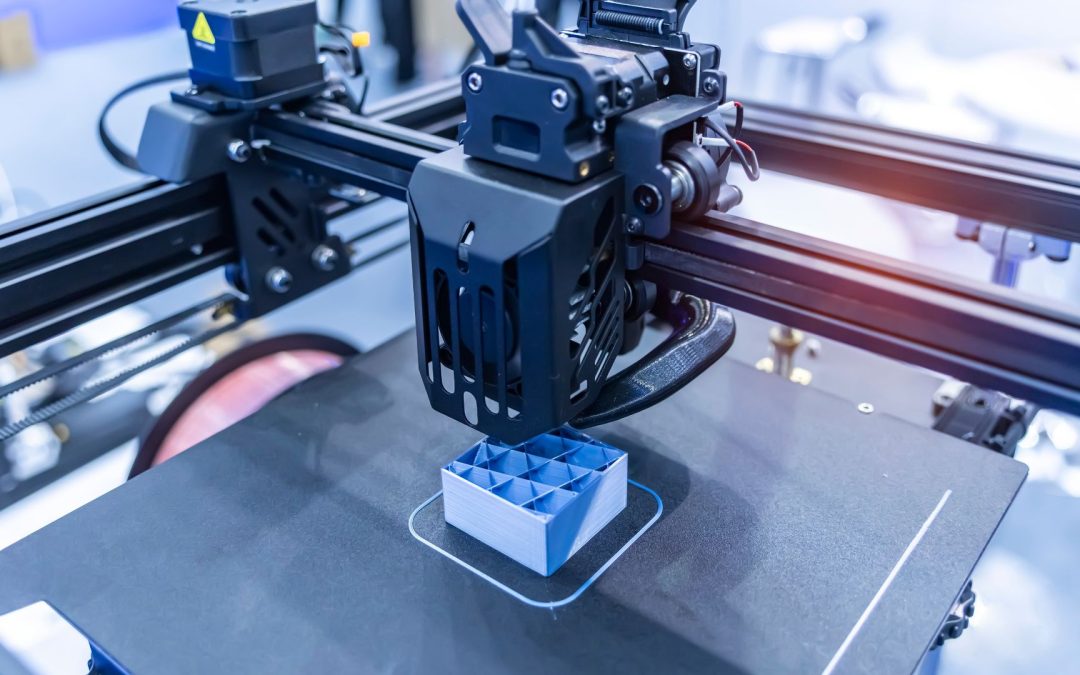
The world of 3D printing’s future is moving faster than ever. What started as a hobby for enthusiasts is now changing the way industries like automotive, healthcare, and aerospace make products. Businesses are shifting to additive manufacturing for faster and smarter production, while startups and big brands are using printers for real-world parts, not just prototypes. Demand is growing for custom, on-demand, and low-waste production, making 3D printing a key part of modern manufacturing.
In this blog, you will get to learn about the top 10 2026 3D printing trends, such as smarter automation, high-speed industrial printing, multi-material growth, metal 3D printing, custom manufacturing at scale, sustainable materials, large-format printing, cloud-based workflows, simulation and testing, and end-use parts replacing prototypes. These trends are shaping how products are designed, built, and used, making 3D printing faster, easier, and more creative than ever before, and giving businesses new ways to meet customer demands and stay ahead in the market.
1. Smarter Automation In 3D Printing
Smarter automation is changing how 3D printing works by cutting down manual tasks and speeding up daily production. With AI 3D printing, machines can adjust settings while printing to improve accuracy and reduce failed jobs. Software now runs automated 3D printing workflows that connect design files, slicing, and machines in one smooth path. This reduces file prep time and helps factories and design teams finish work faster.
Robots and smart systems now handle printed parts, remove supports, and sort finished pieces without much human effort. Real‑time monitoring watches every layer and fixes small issues before they grow into big problems. Post‑processing steps like cleaning and surface finishing are also handled by machines. With fewer hands needed, one technician can supervise several printers at the same time.
Automation also brings cost and safety benefits. Labor needs go down, production becomes more competitive, and workers spend less time near hot parts or fine powders. With AI 3D printing and automated 3D printing in place, companies can build parts faster, safer, and with more steady results every single day.
2. High-Speed Industrial Printing
High-speed industrial 3D printing is transforming manufacturing by taking additive technology from slow prototyping to daily production. New systems built for fast 3D printing let factories run larger jobs with shorter lead times. Advanced motion systems and lightweight tool heads help prints finish faster while keeping quality high. Companies can now produce mechanical and consumer parts more quickly without losing precision.
Modern setups often use multiple print heads or collaborative robotic swarms to complete big parts in hours instead of days. Intelligent slicing and software tools adjust flow and temperature automatically, giving a smoother surface finish on each layer. High-speed filaments and reinforced components let machines run continuously, making production steady and reliable. Industrial design benefits as more complex and lightweight geometries can be produced quickly.
Faster cycles also make production more cost-effective. Reduced labor and shorter turnaround let companies maintain digital inventories and respond to market changes quickly. Domestic factories gain a competitive edge by delivering high-quality parts fast, while also saving on shipping and storage. With industrial 3D printing and fast 3D printing, manufacturing is becoming smarter, quicker, and more flexible than ever.
3. Multi-Material Printing Growth
Multi-material printing is changing how complex objects are made. With multi-material 3D printing, manufacturers can combine metals, plastics, and rubbers in a single print. This allows product teams to create rigid and flexible parts together, saving time and reducing the need for separate assemblies. The result is stronger, more useful final products that work right out of the printer. Companies can also print parts that switch from soft to hard areas in one build, creating more functional designs.
Advanced systems now print components with embedded electronics, smooth transitions between materials, and realistic color or transparency. Using dual material 3D printing, engineers can place high-strength composites only where needed while keeping lighter materials elsewhere. Dissolvable supports allow complex geometries without extra cleanup. Designers can experiment with new shapes and properties, giving more creative freedom while cutting traditional prototyping steps.
This growth improves efficiency, flexibility, and customization. Teams can produce one integrated part instead of multiple smaller pieces, reducing assembly work and material waste. Healthcare, aerospace, and consumer products are already using multi-material 3D printing to make precise, ready-to-use parts. Faster production, lower waste, and versatile designs make this approach a key trend in modern manufacturing.
4. Metal 3D Printing Expansion
Metal 3D printing is growing quickly beyond aerospace labs and into general industrial floors. More affordable machines and lower material costs let companies print lightweight parts faster than before. Using additive metal manufacturing, shops can produce complex shapes that were impossible with traditional methods. This allows prototypes to be tested sooner and mechanical systems to move from design to production more efficiently.
Factories are combining CNC machining with 3D printing to get the best results. Metal printers create the rough structure, while machining adds precise details and smooth finishes. Binder jetting and multi-laser systems increase build speed, allowing parts for aerospace engines, automotive tooling, and industrial equipment to be produced quickly. Digital inventories also let companies print replacement parts on demand, reducing storage needs and cutting wait times.
The benefits are clear across industries. Aerospace manufacturers create lightweight engine components that improve fuel efficiency. Automotive shops produce custom molds, dies, and assembly aids faster. Medical teams make patient-specific implants that fit better and support natural bone growth. Overall, metal 3D printing with additive metal manufacturing makes production faster, more flexible, and cost-effective for modern manufacturing.
5. Custom Manufacturing At Scale
Custom manufacturing 3D printing is transforming mass production into personalized production at scale. Brands can now create thousands of unique items quickly using smart software and digital workflows. Individual data, like body scans or performance needs, allows each product to fit perfectly without manual design work. This makes products more functional and ready to use straight from the printer.
Factories can produce many different items in one run, using on-demand manufacturing to print products only when an order is placed. This reduces storage costs and waste, while giving companies the flexibility to make fast updates without changing full production lines. Batch variation and automated nesting let machines print many unique designs at once, helping teams respond to changing market demands quickly.
The benefits reach multiple industries. Medical teams produce custom implants, dental aligners, and hearing aids that match each patient’s anatomy. Consumer brands create footwear and equipment tailored to individual needs. Industrial firms print specialized jigs, fixtures, and tools for precise assembly steps. With custom manufacturing 3D printing, and on-demand manufacturing, businesses can deliver better fit, faster turnaround, and more flexible production than ever, making personalized products more practical and accessible.
6. Sustainable 3D Printing Materials
Sustainable manufacturing is growing fast as companies move away from oil-based plastics and toward cleaner options. With eco-friendly 3D printing, factories now use plant-based filaments made from corn, sugarcane, and other natural sources. Many systems also turn plastic waste into fresh filament, helping reuse materials instead of throwing them away. This shift supports local supply chains and makes production safer for workers and the environment.
Another big change is the use of recycled 3D printing materials in daily production. Bottles, packaging, and old parts can be shredded and turned into new printing stock. Compared to molding or casting, 3D printing creates less scrap, and unused material can often be reused again. This keeps waste low while still producing strong and reliable parts for business use.
Cleaner material choices also help long-term operations. Eco-friendly filaments reduce fumes and harsh chemicals on factory floors. Companies can print consumer products, packaging, and tools with less impact on nature. With eco-friendly 3D printing and recycled 3D printing materials, businesses get steady production, lower waste, and a greener way to build products for the future.
7. Large-Format 3D Printing
Large projects are no longer limited by printer size. With large-format 3D printing, bigger machines now handle full-scale parts in one build instead of many small pieces. A modern big 3D printer can produce tools, panels, and frames that are several meters long. This removes heavy assembly work and creates stronger parts for construction, transport, and factory equipment.
Industrial teams now use large printers to make jigs, molds, and structures with industrial additive manufacturing. Instead of cutting oversized blocks, printers lay material only where it is needed, lowering the cost for big parts. This makes large tools cheaper and faster to build. Designers also use 3D architectural visualization to preview shapes and layouts before printing, helping projects move from concept to production with fewer changes.
Faster builds are changing the construction and equipment industries. Walls, housings, fixtures, and machine covers can be printed in days instead of weeks. With large-format 3D printing, companies reduce labor, shorten delivery time, and keep production closer to the job site. A big 3D printer now supports large-scale manufacturing with better speed, lower cost, and simple, reliable production.
8. Cloud-Based 3D Printing Workflows
Cloud-based systems are changing how factories run their printers. With cloud 3D printing, designers can manage jobs from one online platform instead of being tied to a single machine. Teams upload files, start prints, and check progress from anywhere. This helps companies run many printers across locations while keeping everything organized and easy to track. Big production no longer needs everyone in the same room.
Using remote 3D printing software, teams share files fast and work on the same designs without confusion. Everyone sees the latest version, so old files do not cause mistakes. If a designer updates a model, operators get it right away. Managers can also see machine status, job queues, and print history in one place, making daily work smoother and less stressful.
These workflows make collaboration simple across cities and countries. Engineers, designers, and operators stay connected even when working far apart. With cloud 3D printing, companies control changes better and keep production moving without delays. And with remote 3D printing software, large printing networks stay synced, faster, and easier to manage than before.
9. Simulation And Testing Before Printing
Simulation and testing are now a normal part of production, not an extra step. With 3D printing simulation, engineers can see how a part will act before printing starts. The software checks shape, layers, and build direction to spot weak areas early. This helps teams fix problems on screen instead of wasting time and material on failed prints. It also means better results from the very first run.
Before machines start, software checks stress using digital testing tools. These 3D print testing tools show where parts may bend, crack, or warp during printing. Engineers adjust thickness, angles, or supports based on those results. By testing parts in a virtual space, factories avoid guesswork and reduce the number of broken builds on the shop floor.
This process leads to fewer failed prints and much less wasted material. Teams spend less time reprinting the same job again and again. With 3D printing simulation, parts come out closer to the final goal, saving money and effort. And by using 3D print testing tools, companies get stronger, cleaner, and more reliable parts straight from the first build.
10. End-Use Parts Replacing Prototypes
More and more companies now use printers for real products, not just models. With end-use 3D printing, parts coming off the machine go straight into cars, aircraft, and medical tools. Strong plastics and reinforced composites handle heat, stress, and daily use. The move from a simple 3D-printed prototype to real production lets teams test, improve, and release parts much faster than before.
Factories are also shifting daily work to producing 3D printed parts instead of waiting for molds. Since no tooling is needed, businesses save money and avoid long setup times. Engineers can print complex shapes, cooling channels, and lightweight structures in one build. This cuts assembly steps, reduces waste, and helps mechanical systems get to market sooner with fewer delays.
This change improves supply chains, too. Companies store digital files and print parts only when needed, instead of keeping large inventories. Aerospace, automotive, and healthcare teams already rely on printed parts for real use, not display. Stronger materials, lower costs, and faster updates make end-use printing a smart choice for long-term manufacturing.
Conclusion: Why 2026 Is Big For 3D Printing
2026 is a turning point for modern manufacturing, with new tools pushing 3D printing into daily production and real business use. It starts with smarter automation, then moves to high-speed industrial printing, multi-material growth, and metal expansion for stronger parts. Next comes custom manufacturing at scale and sustainable materials for cleaner output. Large format printing builds bigger structures, cloud workflows improve teamwork, simulation reduces failures, and end-use parts replace prototypes. Together, these shifts show the future of additive manufacturing is faster, more flexible, and ready for real production.
At X-PRO CAD, we help brands move ideas into printed reality through precise CAD drafting, 3D modeling, rendering, and visualization. We support architects, engineers, and product teams with clear, build-ready designs that keep projects moving fast and smoothly. From concept to delivery, we focus on accuracy and collaboration. Contact us at project.inquiries@x-professionals.comor call (571) 583-3710 today to start your next project with us now.









Скорашњи коментари