
In the dynamic world of product development, industrial design serves as the crucial bridge between an idea and its tangible reality. It’s the art and science of enhancing a product’s functionality, aesthetics, and usability, ultimately shaping the user experience and determining market success. But what exactly does industrial design entail, and why is it so vital? Let’s embark on a journey through the stages of industrial design, exploring its profound impact on the creation of innovative products.
Understanding Industrial Design
Industrial design is far more than just creating visually appealing products. It’s a multidisciplinary practice that combines creativity, technical skills, and a deep understanding of user needs and market trends. At its core, industrial design aims to solve problems and improve lives by transforming ideas into practical, user-friendly solutions.
The Importance of Aesthetics
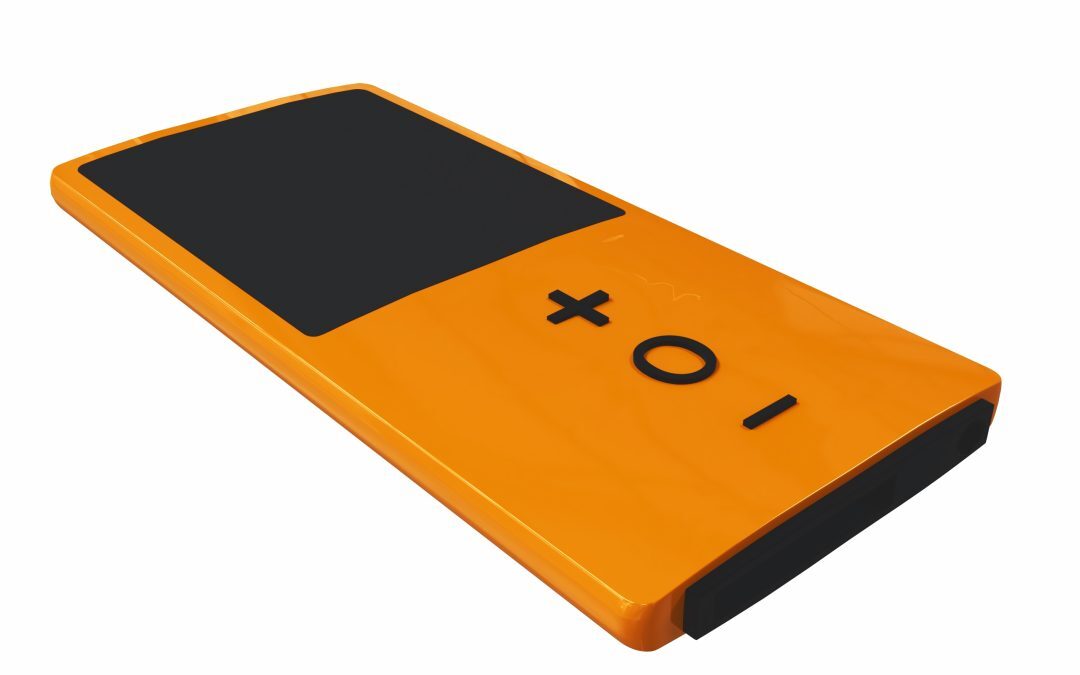
Imagine holding a beautifully designed smartphone. Its sleek lines, the smooth feel of its surface, and the intuitive placement of buttons all contribute to your initial impression. Aesthetics play a crucial role in industrial design, as the visual appeal of a product can greatly influence consumer perception and desire. A well-designed product not only looks good but also conveys quality, innovation, and reliability.
Functionality Beyond Form
However, industrial design is not just about looks. Functionality is equally important. A product must perform its intended function efficiently and effectively. Industrial designers work meticulously to ensure that each component of a product works seamlessly together. This involves ergonomic considerations, ensuring that the product is comfortable and easy to use, and practical aspects, such as durability and maintenance.
Creating an Exceptional User Experience
The user experience is at the heart of industrial design. It’s about understanding how users interact with a product and designing it to meet their needs and expectations. This involves thorough research into user behaviors, preferences, and pain points. By putting the user first, industrial designers create products that are intuitive, enjoyable, and valuable to their intended audience.
The Design Process: A Journey of Discovery
The journey of industrial design begins with a spark of inspiration and follows a structured process that brings an idea to life. Let’s explore this process in detail:
1. Research and Conceptualization
Every great product starts with understanding the problem it aims to solve. Industrial designers dive deep into research, analyzing market trends, studying competitors, and gathering insights from potential users. This stage involves brainstorming sessions where ideas flow freely, and creativity knows no bounds. Concepts are sketched out, and the most promising ones are selected for further development.
2. Sketching and Prototyping
Once the initial concepts are chosen, designers move on to sketching and prototyping. Sketches are the first visual representation of ideas, capturing the essence of the product. These sketches are then transformed into rough prototypes, allowing designers to explore different shapes, sizes, and functionalities. Prototyping is a critical step that brings ideas closer to reality, enabling designers to test and refine their concepts.
3. Detailed Design and Testing
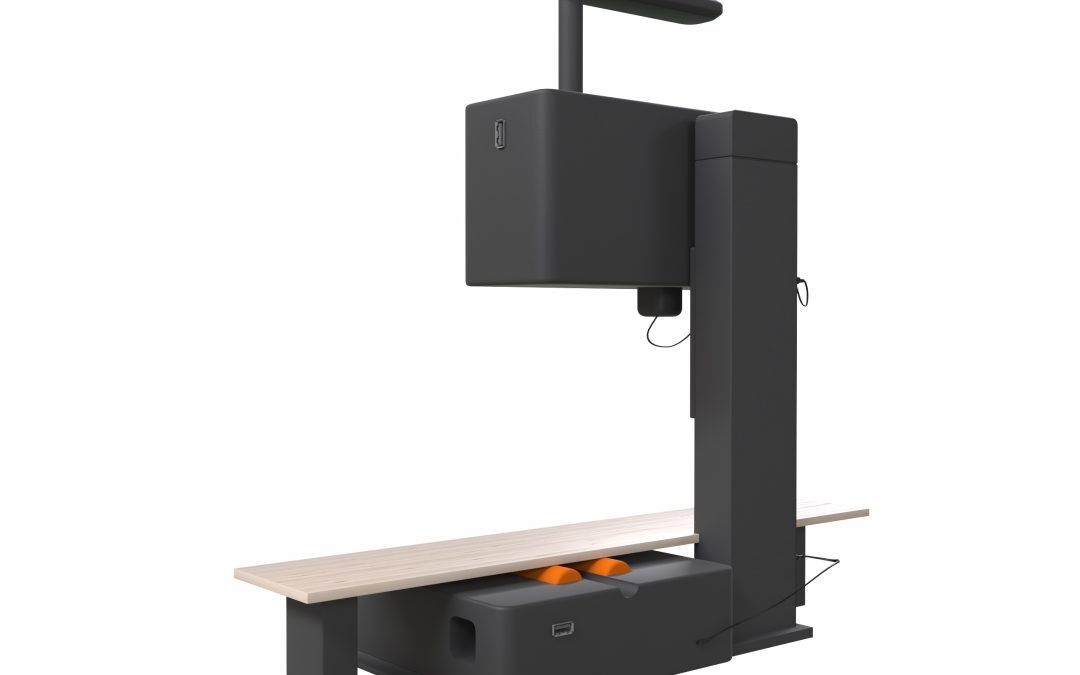
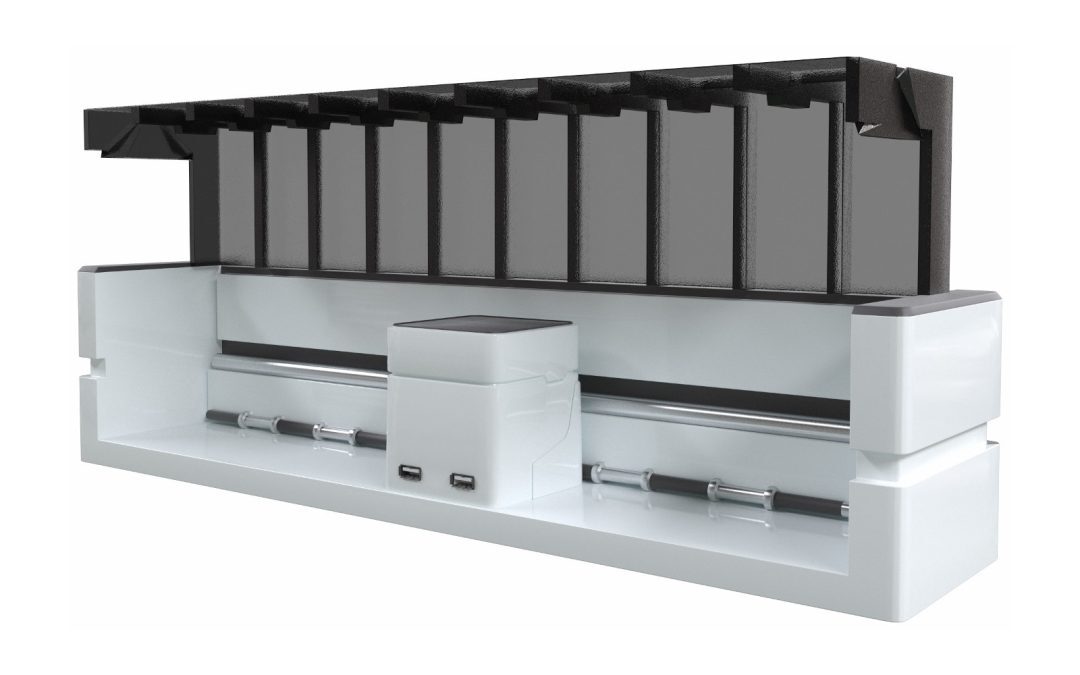
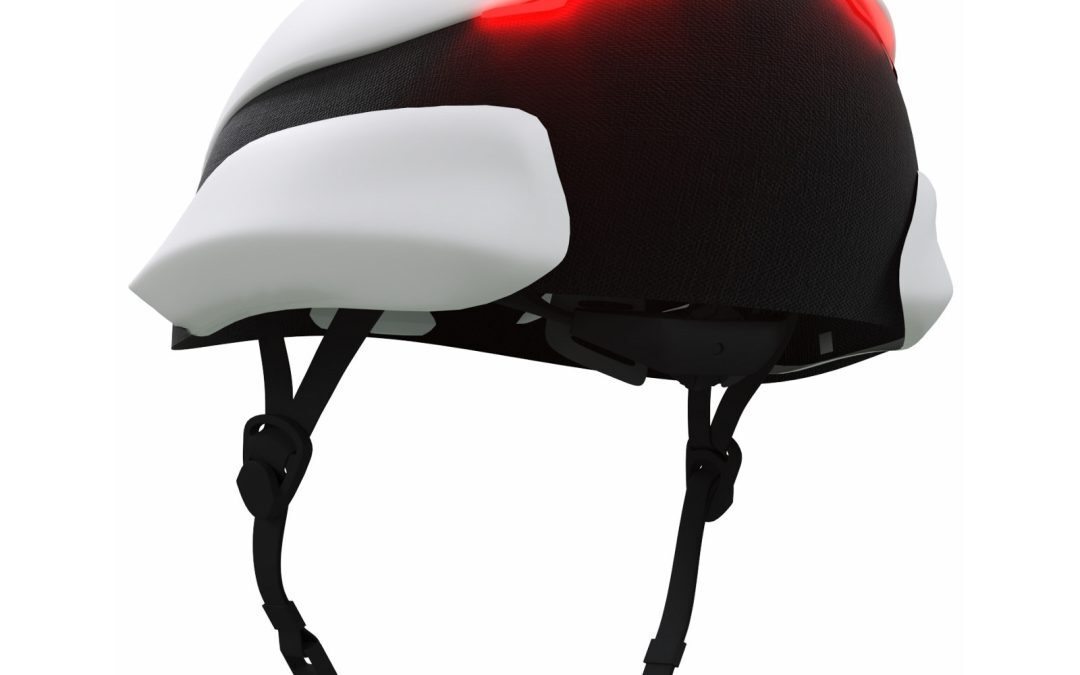
With a refined concept in hand, designers create detailed designs using advanced CAD (Computer-Aided Design) software. These digital models provide a precise blueprint of the product, including dimensions, materials, and assembly instructions. The detailed design phase is accompanied by rigorous testing, where prototypes are subjected to various conditions to ensure they meet all functional and aesthetic requirements.
4. User Feedback and Iteration
User feedback is invaluable in the design process. Prototypes are shared with potential users to gather their insights and suggestions. This feedback helps designers identify any flaws or areas for improvement. Iteration is a key part of this stage, where the design is continuously refined based on user input. The goal is to create a product that not only meets but exceeds user expectations.
5. Final Production
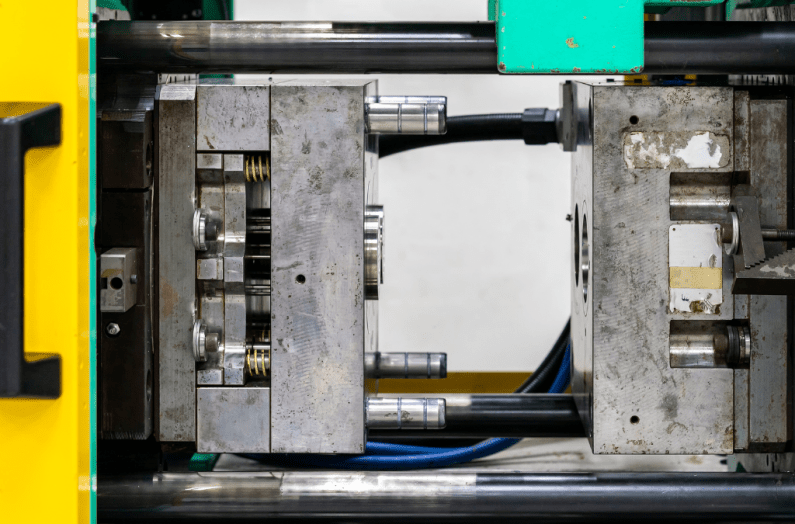
Once the design is perfected, it moves into the production phase. Industrial designers work closely with engineers and manufacturers to ensure that the product is produced to the highest standards. This involves selecting the right materials, optimizing manufacturing processes, and conducting quality control checks. The final product is a result of meticulous planning, collaboration, and attention to detail.
The Impact of Industrial Design
The impact of industrial design extends far beyond the aesthetics and functionality of a product. It influences how a brand is perceived, how users engage with a product, and ultimately, the success of a business. A well-designed product can differentiate a company in a crowded market, build customer loyalty, and drive sales. It’s an investment that pays off in the form of satisfied customers and a strong brand reputation.
Industrial design is a powerful force in product development, blending creativity with technical expertise to create products that enhance lives and drive business success. By prioritizing aesthetics, functionality, and user experience, industrial designers turn ideas into reality, unlocking innovation and setting new standards in the industry. At X-PRO CAD Consulting, we are passionate about the art and science of industrial design, and we are committed to helping you bring your vision to life.
Contact X-Pro CAD Consulting to discover how our expertise can enhance your product development journey.

Recent Comments