
Cutting is one of the most important steps in manufacturing and product development. The method you choose can make a big difference in the precision, speed, and cost of a project. With so many options available, it can be hard to know which approach will give the best results for your work.
Today, many businesses are looking closely at laser cutting vs traditional methods to make smarter choices. Whether it is for producing parts quickly, reducing waste, or achieving consistent results, understanding how these methods compare can help you plan better and save time and materials. This makes a simple cutting methods comparison very useful for anyone in manufacturing or design.
In this blog, you will get a clear understanding of both approaches. We will compare the two methods, share tips for choosing the right one, discuss which materials work best, point out common mistakes to avoid, and explain why more companies are turning to laser cutting today. By the end, you will have a practical guide that helps you decide which method delivers the best results for your project.
Understanding Traditional Cutting
Traditional cutting techniques use mechanical cutting tools to remove or shape materials through direct contact. Methods like sawing, shearing, turning, drilling, and milling are common in metalworking, woodworking, and fabrication. These techniques are simple, widely available, and cost-effective for small projects or quick jobs.
Despite their advantages, traditional cutting techniques have some limits. They usually offer lower precision, slower production for complex shapes, and require skilled labor to operate the tools correctly. Very thick or hard materials can be harder to handle efficiently. Still, mechanical cutting tools remain a trusted choice for many everyday manufacturing and fabrication tasks because they are reliable and easy to use.
Laser Cutting Explained
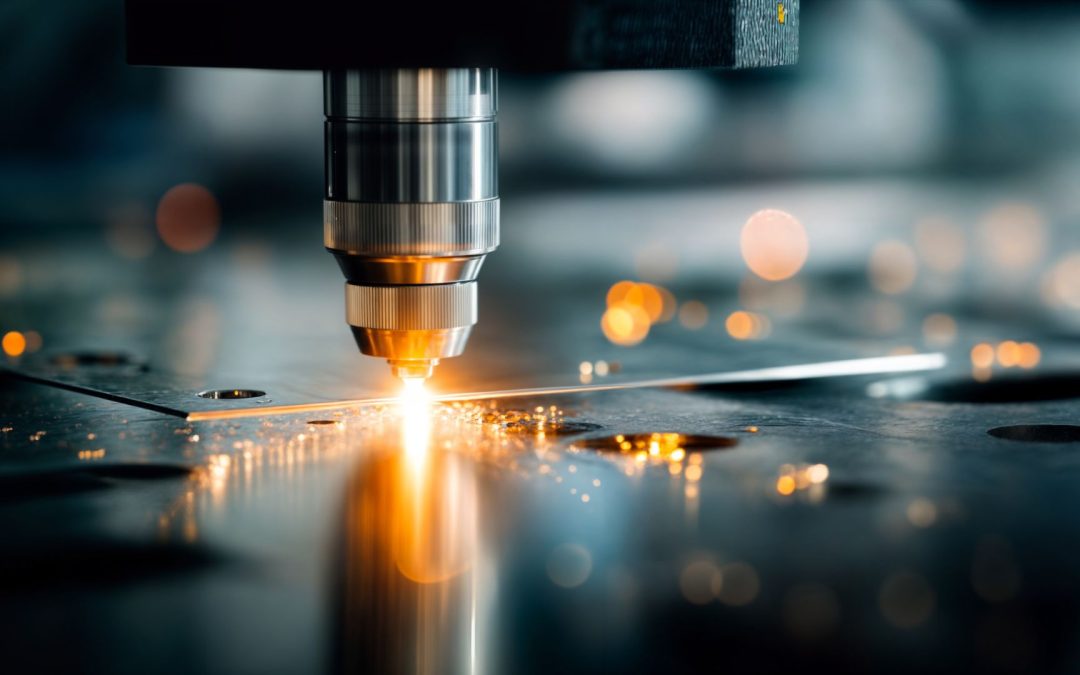
Laser cutting technology is a precise way to cut materials using a focused beam of light. The laser follows a computer-controlled path to make clean and detailed shapes. It works especially well on metal and plastic and is widely used in aerospace, automotive, prototyping, and custom design projects. This method allows manufacturers to achieve intricate patterns and consistent results that are hard to get with manual tools.
So, what is laser cutting in simple terms? The laser melts, burns, or vaporizes the material along the cut line, often with a gas to clear debris and cool the area. It offers high precision, faster production, and the ability to create complex designs. While it requires specialized equipment and costs more upfront, it saves time, reduces waste, and produces accurate, clean cuts every time.
Laser Cutting Vs. Traditional Cutting: A Simple Comparison
There are many people who often get confused between laser cutting and traditional cutting. To make your choice easier, here is a clear laser vs traditional cutting comparison in a simple table that explains the main differences.
| Feature | Traditional Cutting | Laser Cutting |
|---|---|---|
| Precision | Moderate, usually ±0.005″ | Very high, up to ±0.0005″ |
| Speed | Slower, especially for complex shapes | Faster, can handle intricate designs quickly |
| Material Options | Works with most metals, wood, and plastics | Works with metals and plastics; some reflective materials are tricky |
| Complexity of Shapes | Simple shapes only | Complex designs are possible with high accuracy |
| Edge Finish | Rough, often needs sanding | Smooth, burr-free, ready to use |
| Material Waste | Higher manual errors can increase scrap | Minimal waste with digital nesting software |
| Maximum Thickness | Can handle very thick materials | Usually up to 1 inch (25 mm) for standard setups |
| Cost | Lower upfront cost | Higher upfront investment for machines |
| Automation | Manual operation | Can integrate with robotics and automated systems |
Overall, laser cutting offers high precision, speed, and the ability to create intricate shapes, while traditional cutting is still useful for heavy-duty materials or low-volume jobs. Understanding these points and seeing the laser cutting advantages side by side with traditional methods can help you decide which one fits your project best.
Choosing The Right Cutting Method
Now that you have learned the differences, it becomes important to know which option fits your project. This cutting method guide helps you find the best cutting method based on your needs.
When Laser Cutting Makes More Sense
- High precision: When your project needs clean edges, fine details, or tight measurements, laser cutting delivers accurate results with consistent quality.
- Complex designs: Laser cutting works well for intricate shapes, small cutouts, and detailed patterns that are hard to achieve with manual tools.
- Faster production: If speed matters and you are producing multiple parts, laser cutting helps finish jobs quickly with less rework.
- Long-term results: Smooth edges and repeatable cuts reduce extra finishing work and save time over larger production runs.
When Traditional Cutting Is the Better Choice
- Simple cuts: Straight cuts or basic shapes are easier to handle with traditional tools without setting up advanced machines.
- Lower budget: For small jobs or one-off parts, traditional cutting keeps costs manageable with minimal setup.
- Very thick material: Heavy-duty materials are often easier to process using mechanical tools designed for thickness.
- Quick setup: Traditional methods work well when you need fast adjustments without digital programming.
Which Materials Work Best For Each Method
Some materials work better with one cutting method than the other. By reading below, you will learn which materials suit laser cutting and which are better for traditional cutting.
- Metal sheets: Thin to medium metal sheets, like steel and aluminum, work best with laser cutting because the heat creates clean edges and allows detailed shapes, while thicker metals are better suited for traditional cutting.
- Plastic materials: Many plastics react poorly to heat and may melt or deform, making traditional cutting a safer and more reliable option than laser cutting for these materials.
- Wood products: Laser cutting works well for thin wood used in decorative or detailed designs, while traditional cutting is more practical for thick wooden boards and structural work.
- Material thickness: Laser cutting handles thin to medium thickness efficiently, but traditional cutting performs better when materials become too thick for heat-based cutting.
- Final results: Choosing the right method improves accuracy, reduces waste, and saves time, which is why understanding materials for laser cutting and materials for traditional cutting matters.
Common Mistakes To Avoid
There are many people who make small errors while using cutting machines, and these mistakes often lead to wasted material, poor results, or safety issues if not handled carefully.
Common Mistakes in Laser Cutting:
- Wrong gas choice: Using the incorrect assist gas can burn edges or discolor the surface, which often causes finished parts to fail quality checks.
- Unsafe materials: Cutting restricted plastics or coated materials can release harmful fumes and damage machine parts, creating serious safety and repair problems.
- Poor focus setup: Skipping focus adjustments based on material thickness results in rough edges, extra residue, and cuts that do not look clean.
- Weak ventilation: Ignoring proper fume removal allows smoke and particles to build up, which affects cut quality and shortens machine life.
Common Mistakes in Traditional Cutting:
- Incorrect speeds: Running tools too fast or too slow causes heat buildup, rough cuts, and faster wear on blades or bits.
- Loose clamping: Poorly secured materials can shift during cutting, leading to uneven edges and increasing the risk of accidents.
- Dull tools: Using dull tools is one of the common mistakes that leads to rough cuts, extra pressure on machines, and a higher risk of accidents during cutting work.
- Bad measurements: Guessing sizes instead of measuring properly leads to fabrication errors common in workshops and repeated rework.
Why Companies Are Turning To Laser Cutting
There are many businesses that are moving to laser cutting as they grow and shift from solo work, where a freelancer becomes a company with larger goals. Industries like fabrication, product design, signage, and automotive parts rely on this method for faster output. The main laser cutting benefits include clean cuts, quick turnaround, and easy handling of custom designs. This makes it easier to manage rapid prototyping and short production runs without delays.
Another reason why use laser cutting is the reduction in manual work and extra finishing steps. Parts often come out ready to use, which saves both time and cost. Still, traditional cutting remains useful for thick materials and simple tasks. X-PRO CAD supports laser cutting and traditional methods, helping businesses choose the right option based on project needs, budget, and timelines.
Wrapping It Up: Making The Right Choice For Your Project
Choosing the right cutting method depends on what your project truly requires, not just trends or tools. You learned how traditional cutting works and where it fits best, followed by a clear explanation of laser cutting and its strengths. The differences between the two methods were compared in a simple way, helping you see how speed, precision, and cost vary. You also explored how to choose the right option, which materials work best with each method, common mistakes to avoid, and why many companies now prefer laser cutting. In the end, the best choice always depends on your material, budget, and project goals.
We are X-PRO CAD, a team built on creativity, practical engineering, and problem-solving that helps businesses and inventors bring ideas to life with real results. We offer a full range of services from 3D design, CAD drafting, and engineering to prototyping, manufacturing, and laser cutting, all designed to save you time and keep your project moving forward with confidence. Our approach is hands-on, friendly, and focused on helping you at every step of development, whether you need detailed drawings, rapid prototypes, or full production support. You can reach us by email at project.inquiries@x-professionals.comor call us at (571) 583-3710 anytime. Whether you need laser cutting or traditional methods, X-PRO CAD can help bring your ideas to life. Contact us today to discuss your project!


 EN
EN  SR
SR
Recent Comments