

Prototyping is an essential step in the product development process, acting as a bridge between the conceptual design phase and full-scale production. It allows designers, engineers, and stakeholders to test ideas, identify potential issues, and refine solutions before committing to mass production. In this blog post, we will delve into the importance of prototyping, the different types of prototypes, and best practices to ensure successful product development.
Why Prototyping is Crucial
Prototyping serves multiple purposes in the product development lifecycle. First and foremost, it helps validate concepts. Before investing significant resources into manufacturing, it’s essential to ensure that the design is feasible and meets the intended objectives. Prototypes allow for tangible evaluation of form, fit, and function, providing valuable insights that digital models alone cannot offer.
Another critical aspect of prototyping is the early detection of design flaws. Even the most meticulously planned designs can have unforeseen issues that only become apparent when a physical model is created. By identifying and addressing these flaws early, companies can avoid costly modifications and delays during later stages of development.
Prototypes also play a vital role in functionality testing. They allow designers and engineers to assess how the product performs under real-world conditions and make necessary adjustments to improve performance. This iterative process of testing and refinement ensures that the final product meets all functional requirements and delivers a superior user experience.
Types of Prototyping
Low-Fidelity Prototypes
Low-fidelity prototypes are simple and inexpensive models used in the early stages of design. They are typically made from materials like paper, cardboard, or foam and are used to explore basic concepts and gather initial feedback. These prototypes are quick to produce and allow designers to experiment with different ideas without significant investment.
High-Fidelity Prototypes
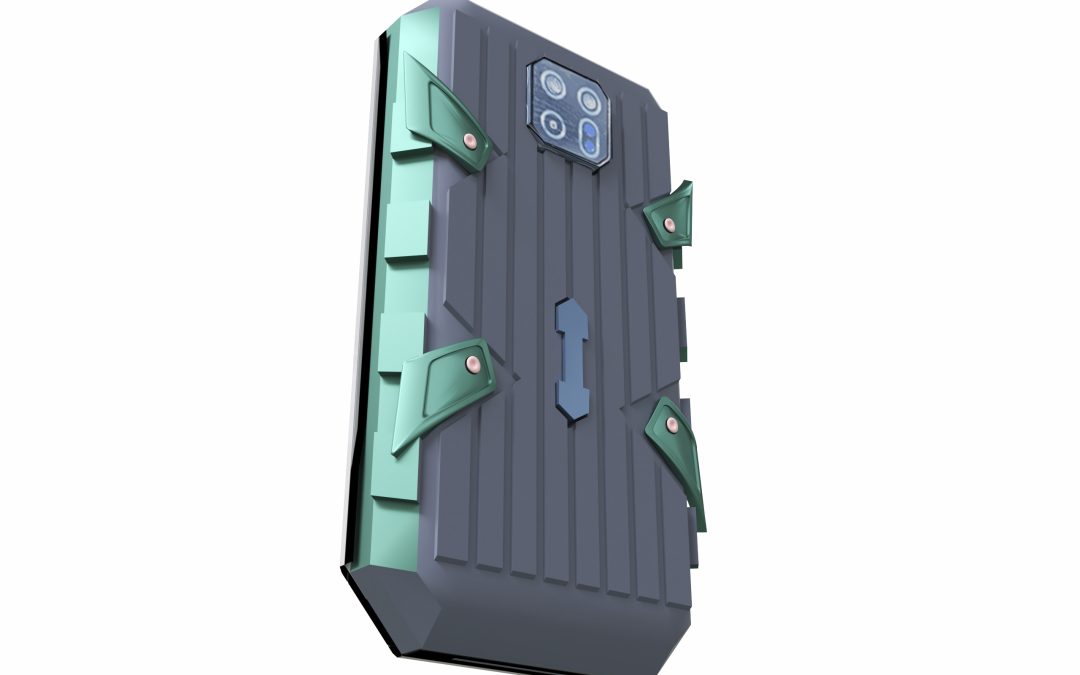
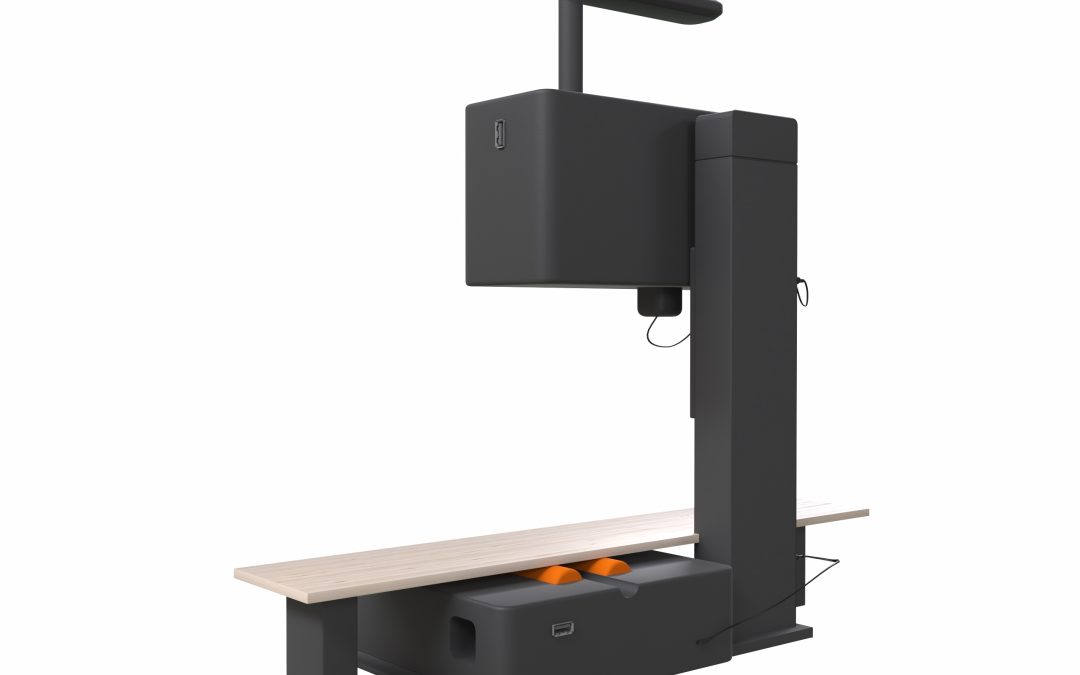
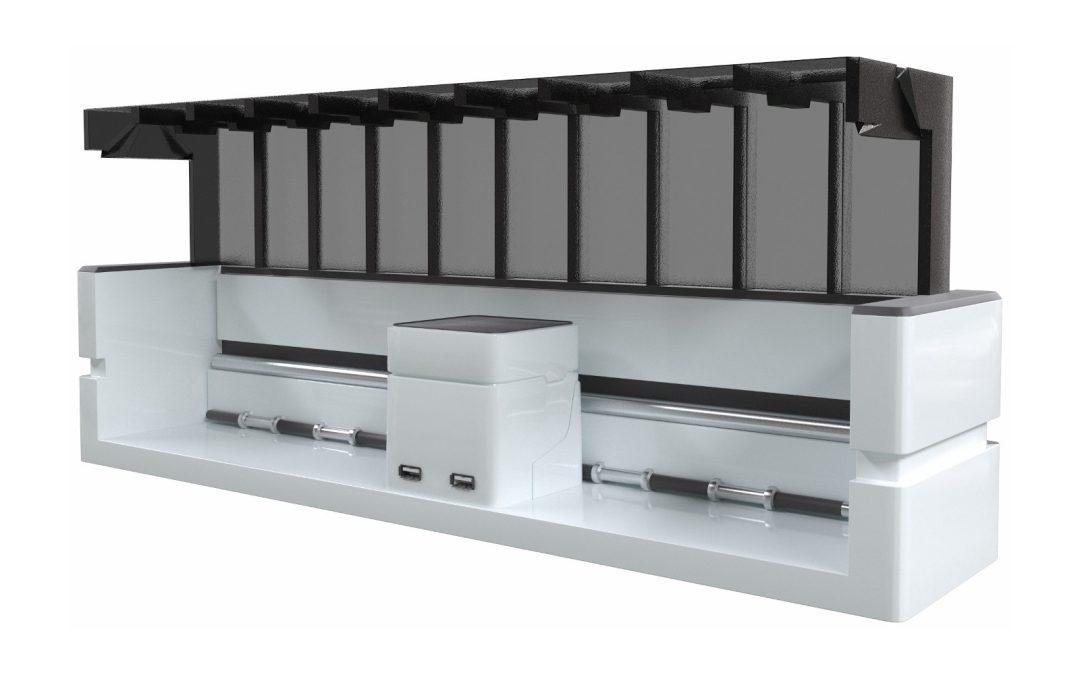
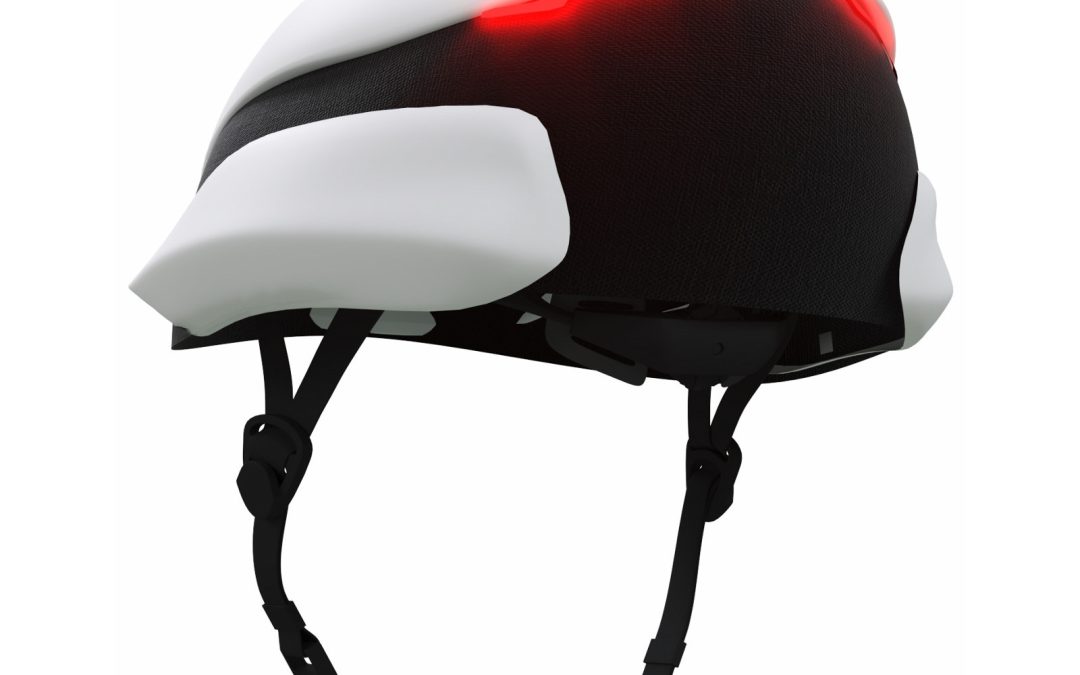
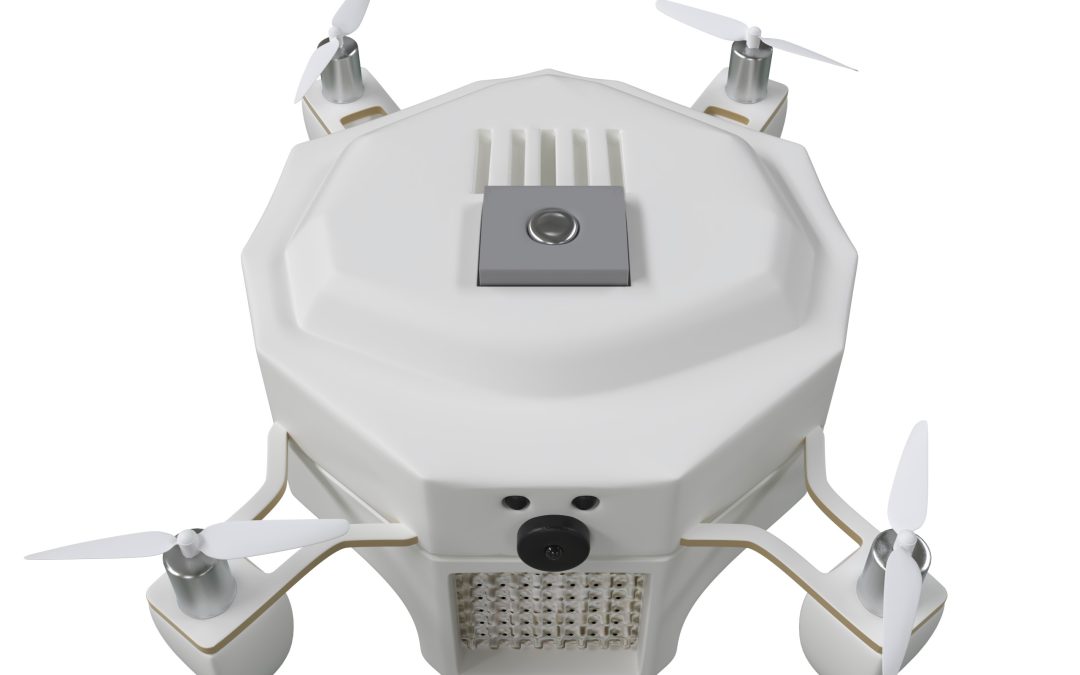
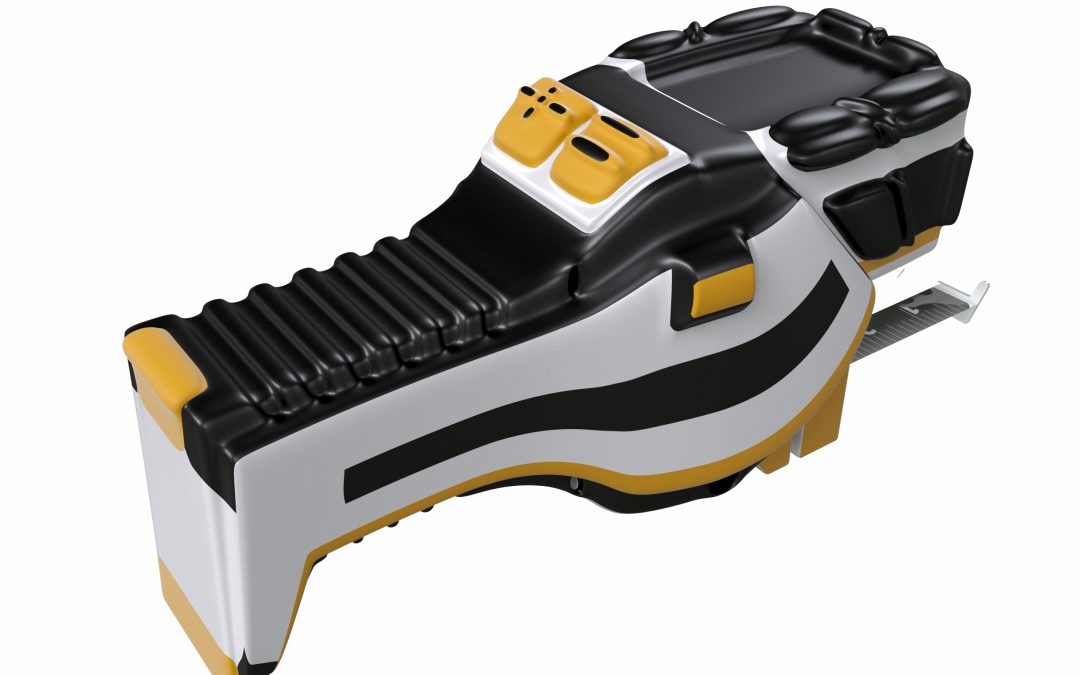
High-fidelity prototypes are detailed and functional models that closely resemble the final product. They are used for thorough testing and validation, ensuring that all aspects of the design are perfected. High-fidelity prototypes are often made using advanced manufacturing techniques like 3D printing, CNC machining, or injection molding.
Digital Prototypes
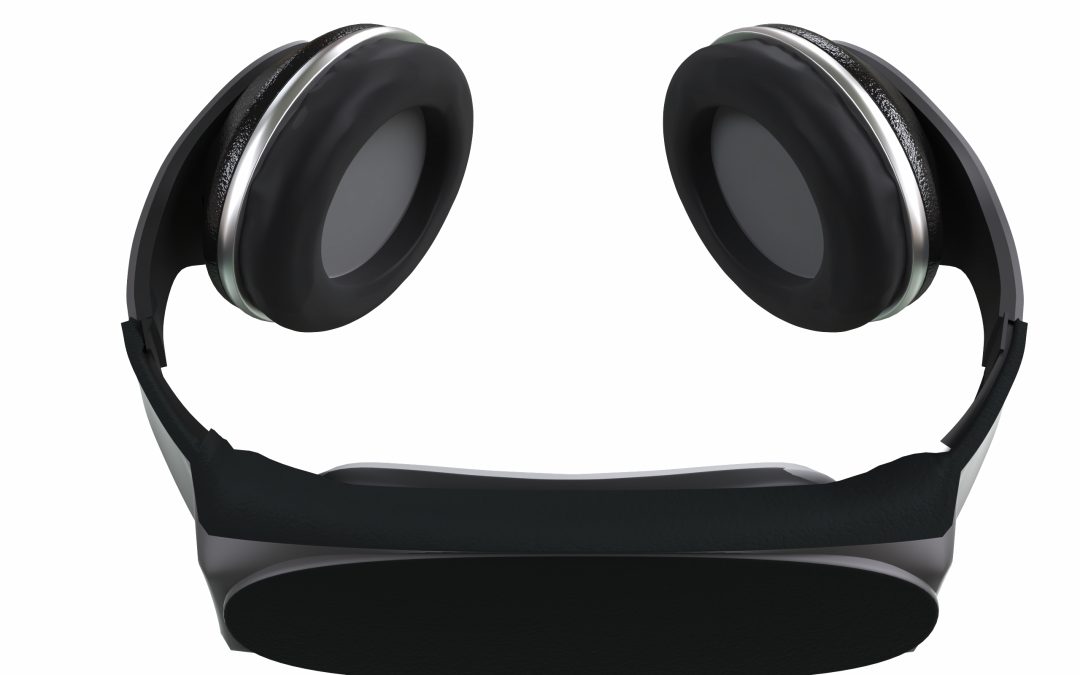
Digital prototypes, or virtual prototypes, are created using computer-aided design (CAD) software. These models can be manipulated and tested in a virtual environment, allowing designers to explore different configurations and perform simulations. Digital prototyping is particularly useful for complex products and systems where physical prototypes may be impractical or costly.
Best Practices for Prototyping
Define Clear Objectives
Before starting the prototyping process, it’s essential to define clear objectives. Determine what you want to achieve with the prototype, whether it’s validating a concept, testing functionality, or gathering user feedback. Having clear goals will guide the prototyping process and ensure that it delivers meaningful results.
Iterate Quickly
Prototyping is an iterative process, and it’s crucial to move quickly through multiple iterations. Don’t be afraid to test different ideas and make changes based on feedback. Each iteration brings you closer to the optimal design, so embrace the process and keep refining your prototype until it meets your objectives.
Involve Stakeholders
Involving stakeholders early and throughout the prototyping process is essential. Their input and feedback can provide valuable insights and help identify potential issues that might have been overlooked. Regularly reviewing prototypes with stakeholders ensures that the project stays aligned with business goals and user needs.
Test Under Real-World Conditions
To ensure that the prototype performs as intended, it’s essential to test it under real-world conditions. Simulate the environment in which the product will be used and observe how it behaves. This testing phase is critical for identifying any last-minute issues and making necessary adjustments before final production.
Document the Process
Keep detailed records of each prototype iteration, including the changes made and the feedback received. This documentation will be invaluable for future reference and can help streamline the development of similar products. It also provides a clear trail of the design evolution, which can be useful for quality assurance and regulatory compliance.
Prototyping is a cornerstone of successful product development, providing a practical and effective way to validate concepts, test functionality, and refine designs. By embracing the prototyping process and following best practices, companies can reduce risks, improve product quality, and accelerate time-to-market. At X-PRO CAD Consulting, we understand the critical role of prototyping in innovation, and we are committed to helping our clients bring their ideas to life with precision and excellence.
Contact X-Pro CAD Consulting to discover how our expertise can enhance your product development journey.









Recent Comments