
Plastic is everywhere—from your toothbrush and shampoo bottle to the dashboard of your car. But have you ever wondered how all these products are actually made? If you’re developing a physical product, understanding plastic forming techniques, especially injection molding, can save you time, money, and manufacturing headaches down the line.
Let’s break down what injection molding is, why it’s so widely used, and the various molding types that serve different industries and design requirements. We’ll also touch on alternative plastic forming methods and when they might make more sense for your project.
What Is Injection Molding?
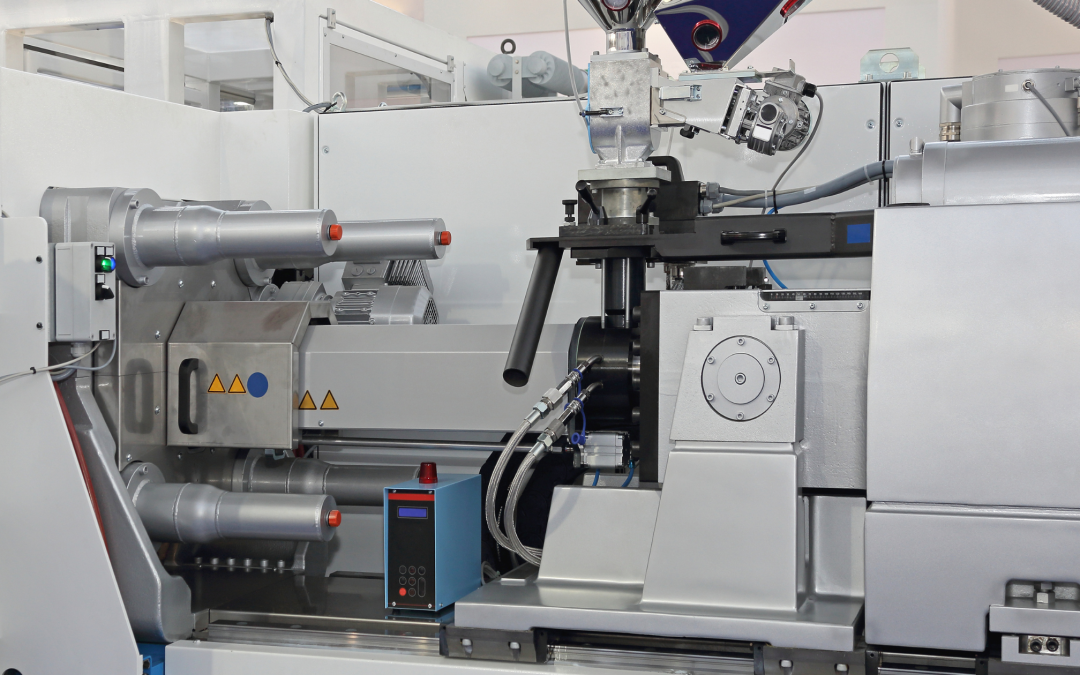
Injection molding is a manufacturing process used to produce parts by injecting molten plastic into a mold. The process typically starts with thermoplastic pellets that are heated until they melt. This molten plastic is then forced into a steel or aluminum mold cavity under high pressure. Once the plastic cools and solidifies, the mold opens and the part is ejected—ready for the next step in the production process, whether that’s assembly, packaging, or shipment.
The key advantage of injection molding lies in its scalability. It’s ideal for producing high volumes of identical parts with exceptional precision and consistency. If you’re making millions of phone cases, plastic enclosures, or even something as simple as a bottle cap, injection molding is often the go-to method. The durability of the mold also supports long production runs, making the upfront investment worthwhile at scale.
Why Choose Injection Molding?
The biggest reason manufacturers choose injection molding is its ability to deliver mass production at a low per-unit cost—after the initial tooling is developed. Injection molding is also known for tight tolerances, consistent quality, and the ability to create complex shapes that are difficult or expensive to make using other techniques.
However, there’s no one-size-fits-all solution. The type of injection molding you choose depends on your product’s function, material, design, and manufacturing volume. Below, we’ll explore several variations of injection molding and where they excel.
1. Conventional Injection Molding
This is the most common form of injection molding. It’s typically used for producing simple to moderately complex plastic parts at scale. Think bottle caps, plastic cutlery, remote control housings, or shampoo bottle lids. The molds are usually made from hardened steel, which allows them to last for millions of cycles, making them a smart investment for high-volume production runs.
2. Overmolding
Overmolding involves molding one material over another—often to improve grip, add comfort, or combine materials for better performance. A typical example is a toothbrush with a soft rubber handle molded over a rigid plastic core. It’s also used in power tools, electronics, and medical devices where both form and function matter.
3. Insert Molding
Insert molding is similar to overmolding but involves placing a pre-made part—like a metal threaded insert or a circuit board—into the mold before plastic is injected. The plastic then flows around and secures the insert, creating a single, durable part. You’ll see this method used in applications requiring strong mechanical interfaces, such as fasteners, medical tools, and connectors.
4. Micro Injection Molding
For products that require miniature, highly detailed components, micro injection molding is the solution. This technique is capable of producing extremely small parts with high precision—often in the range of milligrams. It’s heavily used in industries like medical devices and electronics, where tight tolerances and miniature components are the norm.
5. Gas-Assisted Injection Molding
In gas-assisted molding, pressurized gas—usually nitrogen—is introduced after the plastic is injected. This creates hollow sections within the part, reducing weight and material usage while maintaining structural integrity. It also helps eliminate surface defects like sink marks. Common uses include automotive parts, plastic handles, and furniture components.
6. Thin-Wall Injection Molding
Thin-wall molding is used when manufacturers need to create plastic parts with very thin walls relative to their overall size. This approach is common in the packaging industry—used for items like disposable food containers and drink lids. Specialized high-speed machines and optimized molds are required to ensure material flows evenly before cooling.
7. Two-Shot (Dual-Shot) Molding
Two-shot molding, also known as multi-shot injection molding, involves injecting two different plastics into a mold in a single cycle. This creates a part with multiple colors, textures, or material properties. It’s widely used for consumer products that require both durability and aesthetics—like soft-touch buttons on rigid controls or dual-color casings.
8. Structural Foam Molding
In this process, a blowing agent is mixed with the plastic resin to create a foam-like structure. The result is a lightweight part with a dense outer shell and a cellular core. Structural foam molding is especially useful for large, bulky parts like industrial panels, cases, or enclosures, where weight savings and stiffness are more important than surface finish.
9. Reaction Injection Molding (RIM)
Unlike traditional injection molding that uses melted thermoplastics, RIM works by mixing two liquid polymers that chemically react inside the mold to form a solid part. This process is ideal for creating large, lightweight, and impact-resistant parts such as automotive bumpers, instrument panels, and medical housings. While technically not thermoplastic molding, RIM is an essential member of the broader family of plastic forming techniques.
Beyond Injection Molding: Other Plastic Forming Techniques
While injection molding is ideal for high-volume production, it’s not always the best fit—especially for certain shapes or lower production volumes. Several alternative plastic forming methods are worth considering:
Blow Molding is commonly used for producing hollow plastic items like bottles and containers. A heated plastic tube is inflated inside a mold until it conforms to the mold’s shape. This technique is fast and cost-effective, especially for packaging.
Rotational Molding is used for large, hollow parts like tanks, coolers, and playground equipment. The mold rotates slowly in an oven, allowing the melted plastic to evenly coat the mold interior.
Thermoforming involves heating a plastic sheet and vacuum-forming it over a mold. It’s commonly used for lightweight, disposable items like food trays and blister packs.
Compression Molding works by placing thermoset plastic or rubber into a heated mold, where it’s compressed into shape. This method is often used in the production of automotive parts, appliance housings, and electrical enclosures.
How to Choose the Right Molding Process
Choosing the right method isn’t just a matter of material—it’s a strategic decision based on your product’s design, cost, scale, and required performance. Injection molding is unmatched in terms of repeatability, precision, and volume efficiency—but only if your projected production volume can justify the upfront tooling investment.
At XPro, we work closely with clients to evaluate these trade-offs and recommend the most efficient and cost-effective manufacturing process. Whether you’re developing a consumer gadget, a medical device, or an industrial component, we help you align your design with the right production strategy.
Conclusion: Turn Your Idea Into a Manufactured Product
Understanding the various plastic forming techniques can make a huge difference in your product’s success. From design to delivery, each decision you make—from material selection to molding method—can impact cost, quality, speed, and scalability.
If you’re considering injection molding or any of the techniques discussed here, the best time to plan for manufacturing is at the beginning of your product development journey. Early decisions can save time and prevent expensive design revisions later on.
At XPro, we’re here to guide you through every step—helping you choose the right process, avoid common pitfalls, and get your product to market efficiently.
Have a plastic part in mind?
Let’s talk. Whether you’re just starting a prototype or preparing for full-scale production, we’ll help you determine the right molding approach and make sure your product is designed for success.


 EN
EN  SR
SR
Recent Comments