
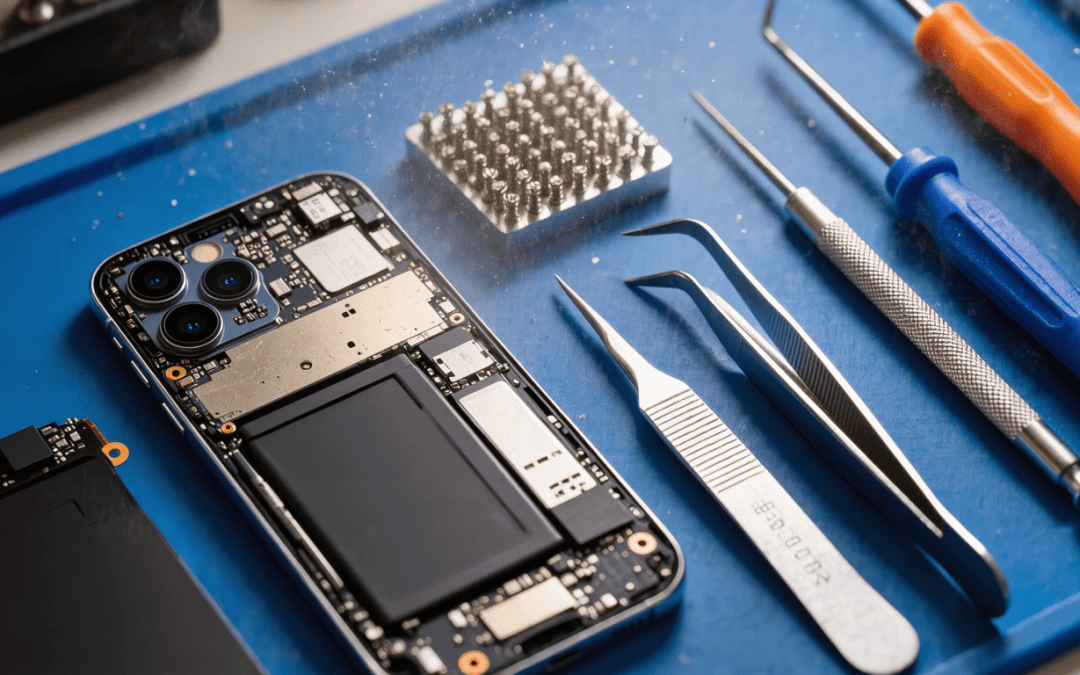
Reverse engineering cost depends on part complexity, measurement method, required CAD accuracy, drawing detail, material assumptions, and whether the final package must support manufacturing or government procurement. Simple parts may only need measurement and clean CAD. Complex castings, worn legacy components, assemblies, or parts needing GD&T require more engineering time. The best quote starts with photos, dimensions, intended use, quantity, and the deliverables you need.
This post covers the practical checks, documentation decisions, and engineering tradeoffs behind reverse engineering services cost. If you are preparing a quote request, production release, or supplier package, the details below help reduce rework before the project reaches the shop floor.
What drives reverse engineering cost?
The largest cost driver is not scanning time; it is engineering interpretation. A scanner can capture millions of points, but an engineer still has to decide which surfaces are functional, which features are worn, and which dimensions should be idealized for production. A damaged pump cover, for example, may scan quickly but require careful surface reconstruction and drawing decisions before it can be manufactured.
Timeline is also shaped by the level of confidence required. A cosmetic cover may only need an outside surface model, while a gearbox housing may require datum strategy, hole patterns, bearing fits, material notes, inspection dimensions, and supplier-ready drawings.
Typical deliverables to request
Ask for deliverables that match the next step in your project. If the part will be CNC machined, you likely need a parametric solid model, 2D manufacturing drawing, tolerances, material notes, and a STEP file. If the part will be quoted by multiple suppliers, include neutral formats and a drawing package so every vendor quotes the same scope.
For defense, aerospace, industrial, and legacy equipment programs, reverse engineering often needs to end in a controlled technical package rather than a simple 3D model.
Reverse engineering quote checklist
| Item to provide | Why it affects cost | Best practice |
|---|---|---|
| Photos of all sides | Shows geometry, wear, surface finish, and access issues | Include scale reference and closeups of critical features |
| Part size and material | Affects measurement method and manufacturing assumptions | Share weight, alloy, plastic type, or any markings |
| Function of the part | Separates cosmetic geometry from critical interfaces | Explain where it fits and what loads it sees |
| Required output files | CAD-only is different from production drawing support | Request STEP, native CAD, PDF drawing, and DXF where needed |
| Tolerance expectations | Tight tolerances require inspection planning and GD&T | Identify bores, slots, datum faces, and mating surfaces |
| Condition of sample | Worn or damaged parts require engineering reconstruction | Mark known wear zones or missing features |
Engineering examples
Legacy bracket reproduction: A maintenance team has a cracked cast bracket from an older machine. The outside shape matters, but the mounting face, bolt pattern, and pin bore are the functional features. The CAD model should idealize the mounting geometry while documenting the casting profile for fit and clearance.
Machined replacement part: A supplier needs to quote a discontinued aluminum spacer. The reverse engineering package should include a STEP file, a 2D drawing with toleranced hole locations, material callout, finish note, and inspection dimensions so the first article can be checked without guesswork.
Related X-PROCAD support: Reverse engineering, CAD services, prototyping and manufacturing and contact X-PROCAD.
FAQ
How much does reverse engineering cost?
Cost depends on geometry, part condition, required accuracy, drawing detail, and whether manufacturing documentation is included. Photos, dimensions, and target deliverables help produce a reliable quote.
Is 3D scanning the same as reverse engineering?
No. 3D scanning captures physical geometry, while reverse engineering converts that data into useful CAD, drawings, and manufacturing decisions.
What files should I request after reverse engineering?
Most manufacturing projects should request STEP, native CAD when available, PDF drawings, and any DXF or inspection files needed by suppliers.
Upload your part, drawing, or sketch for a manufacturability review. X-PROCAD can help turn physical samples, damaged components, or legacy drawings into production-ready CAD and documentation. Contact X-PROCAD to confirm the right path for your project.


Recent Comments