
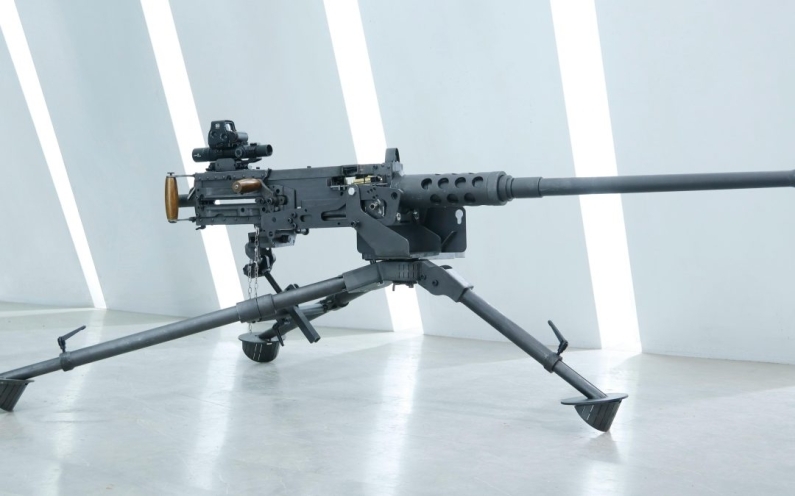
Firearm design is one of the most demanding areas of mechanical engineering — a field where precision meets responsibility. It combines mechanical engineering, materials science, ergonomics, and strict legal compliance. Unlike other product design disciplines, firearm development requires deep technical expertise and unwavering adherence to federal and international laws.
What Firearm Design Really Involves
At its core, firearm design is about developing mechanisms that are reliable, safe, and consistent under stress. Designers must understand how gas pressure, mechanical linkages, recoil systems, and ammunition interact within a confined space. The goal isn’t aesthetics — it’s precision performance under extreme conditions.
Key components include:
- Receiver or Frame: The legally controlled part of the firearm in most regions.
- Barrel: Precisely engineered for specific calibers and pressure tolerances.
- Trigger Mechanism: Ensures consistent and safe firing.
- Safety Features: Manual safeties, drop safeties, firing pin blocks, and other fail-safes.
- Ergonomics: Grip angle, weight balance, and recoil absorption.
Tools like SolidWorks, Fusion 360, and PTC Creo are essential for CAD modeling and simulation. Designers use FEAand dynamic analysis to test for durability, accuracy, and reliability. Before live-fire testing, prototypes are often CNC machined or 3D printed using high-performance materials.
Understanding Firearm Licensing & Compliance
In the United States, the Bureau of Alcohol, Tobacco, Firearms and Explosives (ATF) regulates firearm design and manufacturing.
To legally produce firearms for commercial use, designers must obtain a Type 07 Federal Firearms License (FFL), which covers both design and manufacturing.
Additional requirements often include:
- DDTC Registration (Defense Trade Controls) — especially for export or military-related work.
- Compliance with State Regulations, such as California’s approved handgun design standards.
- Secure Premises for manufacturing and storage.
- Serial Numbering & Record Keeping for all controlled components.
Even designing restricted parts like suppressors or automatic fire controls without proper licensing can result in federal charges.
In Europe, firearm development is even more tightly regulated. Nations such as Germany and the UK often require government partnership or prohibit private firearm development entirely. Export laws, material control, and end-user certification are also tightly enforced.
Real-World Roles in Firearm Design
Firearm designers work across several industries:
- Defense Contractors and Military R&D
- Commercial Firearm Manufacturers
- Aftermarket Component Suppliers (e.g., grips, barrels, optics mounts)
- Freelance Consultants specializing in design optimization or compliance
Regardless of company size, legal compliance and safety standards are non-negotiable. Even helping someone design a functional firearm without licensing can be classified as “manufacturing” in the U.S.
Safety, Testing, and Liability
Safety testing is one of the most critical aspects of firearm design. Each component is stress-tested against:
- Extreme heat and cold
- Impact and drop conditions
- Moisture, dust, and corrosion exposure
Failures in the field can lead to serious injury, lawsuits, and criminal liability, which is why manufacturers carry specialized liability insurance and rely on third-party testing before market release.
Final Thoughts
Firearm design is far more than mechanical innovation — it’s a balance of engineering precision, safety assurance, and regulatory responsibility.
For those entering this field, it’s crucial to build the right foundation: training, partnerships, and proper licensing.
It’s a rewarding but serious industry — and there’s no room for shortcuts when it comes to safety and compliance.




Recent Comments